

Motorcyclists in Texas face a double threat on the road: the physical danger of riding and a legal system that frequently undervalues their injuries. Insurance companies deploy a well-worn playbook against motorcycle riders — pointing to helmet use, riding style, and alleged lane behavior to shift blame onto the victim. Knowing your rights under Texas law, and knowing those tactics are coming, is how you fight back.

Texas Helmet Law — What It Does and Doesn’t Mean for Your Claim
Under Tex. Transp. Code § 661.003, Texas does not require motorcycle riders 21 and older to wear a helmet, provided they carry health insurance or have completed a safety course. Riders under 21 are required to wear helmets.
What this means legally: if you were not wearing a helmet and suffered a head or brain injury, the at-fault driver’s insurer will argue that your decision contributed to the severity of your injuries and should reduce your recovery under Texas’s modified comparative fault rule. This is a common — and aggressive — defense tactic. However, a lawyer can challenge it: many impact forces in serious crashes exceed what any helmet would have mitigated, and medical experts can testify to this directly.
Lane Splitting Is Illegal in Texas — But It Rarely Causes Crashes
Texas law prohibits lane splitting under Tex. Transp. Code § 545.060, which requires vehicles to remain within a single lane. If you were lane splitting at the time of your accident, the defense will attempt to use this to assign you fault. That said, lane splitting being technically illegal does not mean it caused your crash — and under Texas’s modified comparative fault rule, you can still recover as long as you are not more than 50% responsible for the accident.
“Biker Bias” — The Invisible Threat to Your Claim
Insurance adjusters are trained to exploit the cultural stereotype that motorcycle riders are risk-takers. Even in crashes where an inattentive driver turned left in front of a motorcycle — the single most common cause of motorcycle fatalities — adjusters may assign the rider partial fault based on presumed speed or positioning. This is often entirely unsupported by the physical evidence, but it works on claimants who don’t have legal representation.
An attorney who regularly handles motorcycle cases builds a counter-narrative from day one: accident reconstruction, skid-mark analysis, black-box data from the other vehicle, and expert testimony that places fault squarely where it belongs.
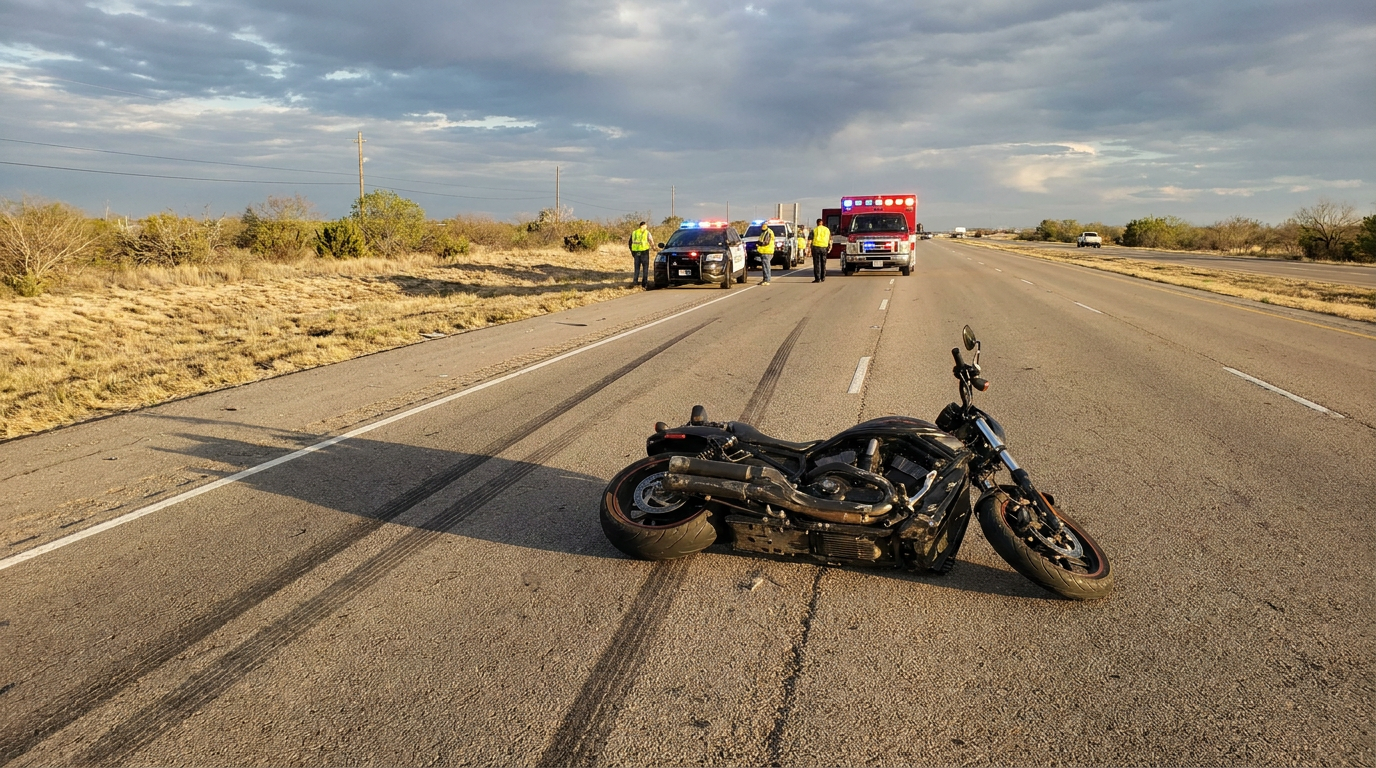
Texas Comparative Fault in Motorcycle Cases
Under Tex. Civ. Prac. & Rem. Code § 33.001, Texas follows a modified comparative fault rule. Your damages are reduced by your percentage of fault, and you cannot recover at all if you are found to be more than 50% responsible. Insurance companies know this and will systematically try to push your assigned fault as high as possible — sometimes past the 51% threshold — to avoid paying anything.
Common causes that insurance companies try to attribute to the rider:
- Speed (even when within posted limits)
- Lane position
- Visibility (arguing the rider “came out of nowhere”)
- Failure to brake in time
- Not wearing high-visibility gear
None of these excuses override a driver who failed to yield, ran a red light, or turned without looking. The evidence — not the narrative — determines fault.
The Most Common Causes of Serious Texas Motorcycle Crashes
- Left-turn collisions: A car turning left at an intersection fails to yield to an oncoming motorcycle. This accounts for roughly 40% of motorcycle fatalities nationwide.
- Rear-end crashes: A following driver strikes the motorcycle from behind — especially dangerous at stops or slowdowns.
- Dooring: A parked car’s door is opened into the rider’s path, often in urban Houston traffic.
- Road hazards: Potholes, uneven pavement, loose gravel, and construction debris that would barely affect a car can be fatal on two wheels. If a government entity is responsible for the road defect, a separate claim may apply.
- DWI drivers: Drunk or impaired drivers who drift, speed, or fail to see motorcycles entirely.
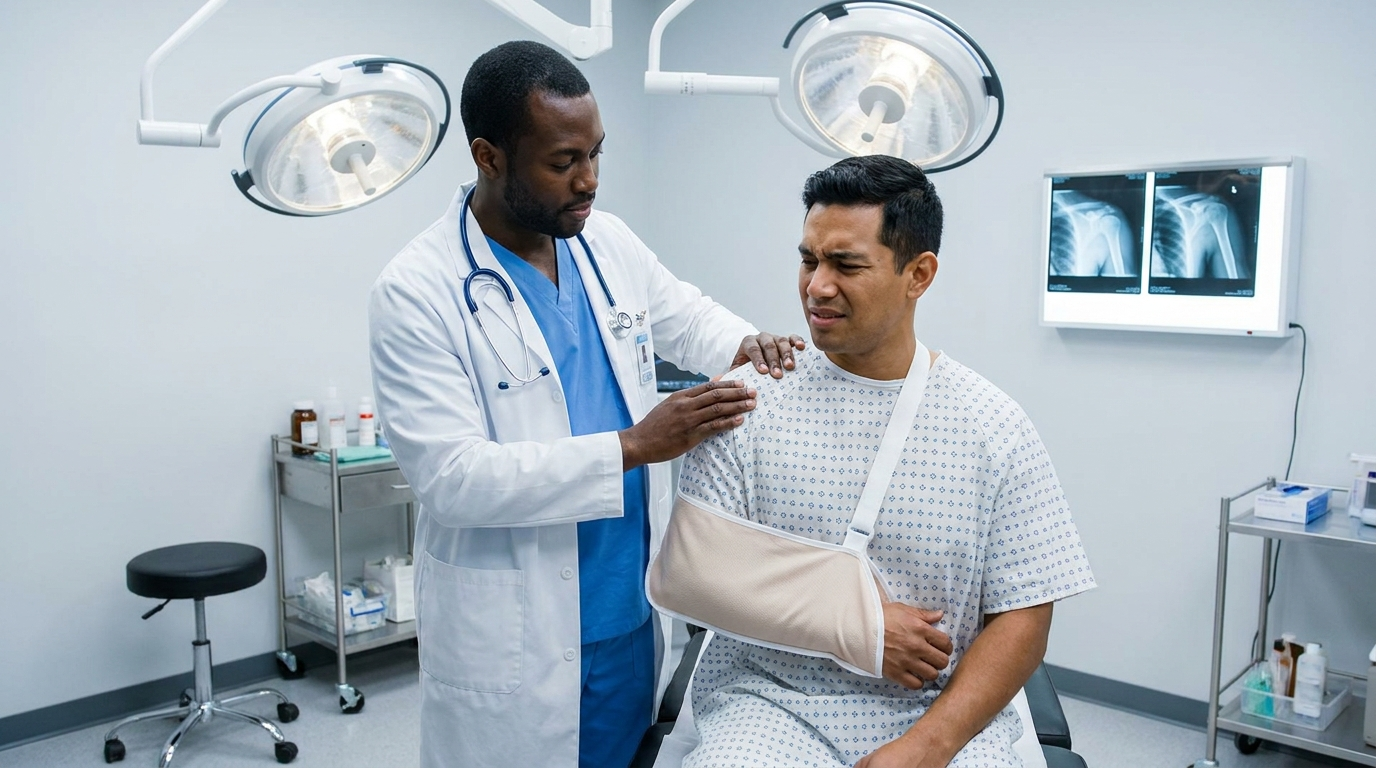
Critical Evidence in a Texas Motorcycle Accident Case
Evidence collection must start immediately. Key items include:
- Police report: Request a copy as soon as it’s available — it records the officer’s observations at the scene.
- Photos and video: Skid marks, road conditions, vehicle positions, traffic controls, your injuries.
- Witness statements: Eyewitnesses who saw the crash can be decisive against a “biker bias” defense.
- Black-box data: Modern vehicles have Event Data Recorders (EDRs) that capture speed, braking, and steering at impact. This data can be overwritten — an attorney can send a spoliation letter to preserve it.
- Medical records: Every treatment, every diagnosis, every bill. Start this paper trail from the first ER visit.
- Expert reconstruction: A forensic accident reconstructionist can use physical evidence to establish speed, sight lines, and fault — often directly rebutting the insurer’s narrative.
Frequently Asked Questions
Texas law (Tex. Transp. Code § 661.003) does not require riders 21 and older who carry health insurance to wear a helmet. However, if you were not wearing a helmet and suffered a head injury, the defense will argue your failure to wear one contributed to the severity of your injuries. Under Texas’s modified comparative fault rule, this could reduce your recovery. An experienced attorney can counter this argument with medical evidence showing the head injury was unrelated to helmet use, or that the impact would have been fatal regardless.
Biker bias refers to the widespread assumption — among insurers, adjusters, and sometimes jurors — that motorcycle riders are inherently reckless or that they ‘assumed the risk’ of their injury simply by riding. Insurance companies exploit this bias by assigning motorcycle riders a high percentage of comparative fault even in crashes that were clearly the other driver’s fault. An attorney who regularly handles motorcycle cases knows how to present evidence that dismantles these stereotypes and holds the at-fault driver fully accountable.
Two years from the date of the accident under Tex. Civ. Prac. & Rem. Code § 16.003. Missing this deadline permanently forfeits your right to sue — there are very few exceptions. If the at-fault party was a government entity (city, county, TxDOT for road defects), you must file a formal notice of claim within six months under the Texas Tort Claims Act.
Texas allows full economic and non-economic damages in motorcycle accident cases. Economic damages include: all medical expenses (ER, surgery, physical therapy, future care), lost wages during recovery, and lost future earning capacity if you cannot return to your previous work or career. Non-economic damages include: pain and suffering, emotional distress, disfigurement, loss of enjoyment of life, and loss of consortium for your spouse. In cases involving a drunk driver or grossly negligent conduct, punitive damages may also be available under Tex. Civ. Prac. & Rem. Code Ch. 41.
This is a common problem in motorcycle cases because Texas only requires minimum auto liability coverage of $30,000 per person — far below what serious motorcycle injuries cost. Your own uninsured/underinsured motorist (UM/UIM) policy provides critical protection. If you have UM/UIM coverage on your motorcycle policy, it can compensate you for the gap between the at-fault driver’s policy limits and your actual damages. An attorney can also investigate whether other parties — such as a road-defect claim against a government entity or a defective parts claim against a manufacturer — may provide additional recovery.
Sources & Further Reading
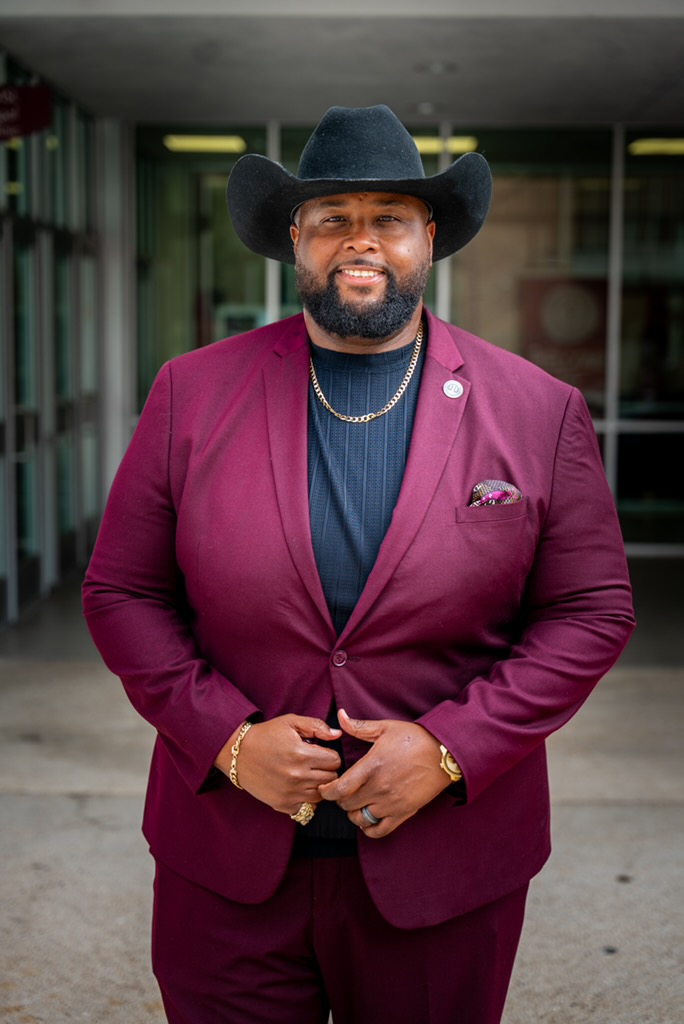
Your Houston Personal Injury Attorney
BJ Kemp
Texas State Bar #24116608 · Texas Legal Giants · Houston, TX
BJ Kemp has built Texas Legal Giants on a simple promise: Big Commitment. Giant Results. He handles personal injury cases throughout greater Houston — car accidents, truck accidents, wrongful death, and more — and fights to get accident victims the maximum settlement they deserve, not the quickest one the insurance company offers.