
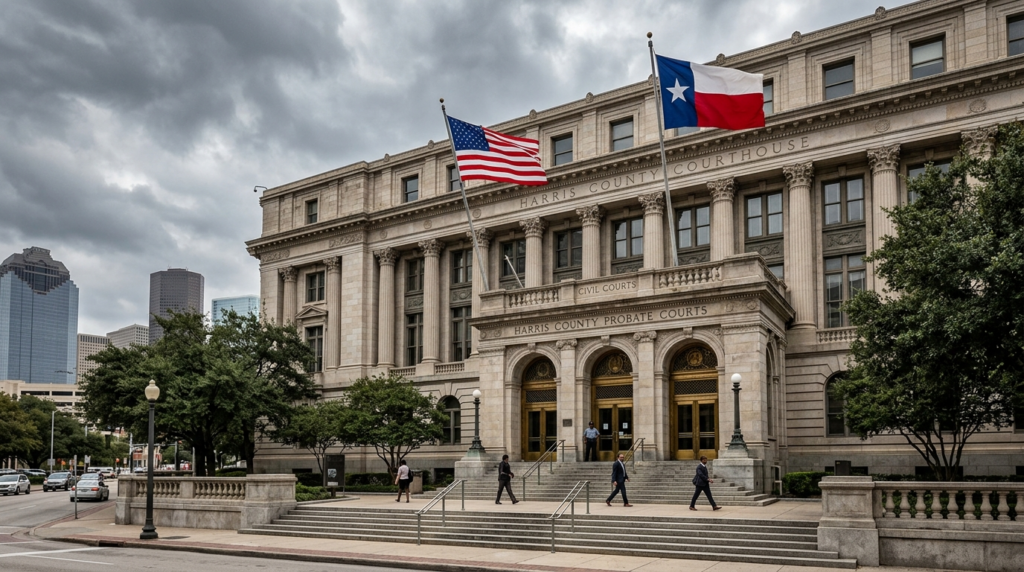
4 Common Funding Sources for a Texas Special Needs Trust
A special needs trust is only as valuable as the assets placed into it. Texas families use several strategies in combination:
- Life insurance: A policy payable to the trust ensures care after both parents pass — the most common funding method. Properly structured, proceeds pass outside the taxable estate.
- Personal injury settlements: Texas courts can order settlement funds placed into a court-supervised SNT under Tex. Prop. Code § 142.005. Texas Legal Giants handles both the PI recovery and trust setup in one engagement.
- Inheritances and gifts: Bequests must be made to the trust, not to the disabled individual directly — a critical distinction family members often miss when writing wills or making gifts.
- Retirement accounts: A disabled beneficiary named on a 401(k) or IRA flowing into a SNT requires special SECURE Act drafting to qualify for stretch distributions.
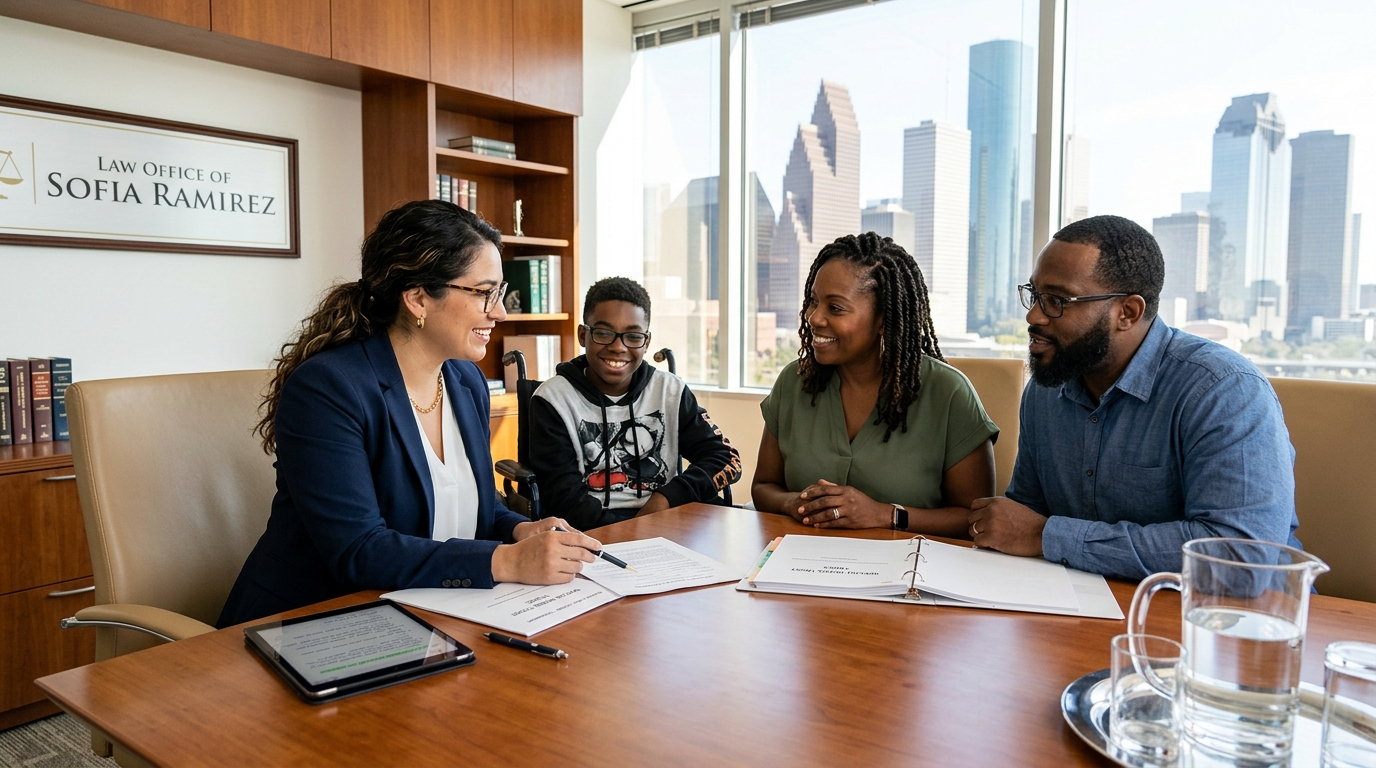
Trustee Duties Under Texas Property Code Ch. 111–115: 5 Key Obligations
Under Texas Property Code Chapter 142 and the Texas Trust Code (Ch. 111–115), trustees must:
- Invest prudently per the Uniform Prudent Investor Act standards in Tex. Prop. Code § 117.004.
- Maintain full accounting of all receipts, disbursements, and investment activity for SSI and Medicaid reviews.
- File annual tax returns — first-party SNTs are grantor trusts taxed to the beneficiary; third-party SNTs file their own IRS Form 1041.
- Avoid self-dealing — the trustee may not personally benefit from trust assets or engage in conflicted transactions.
- Coordinate with benefit programs — proactively notify SSA and Medicaid of distributions that could affect benefit calculations.
Many families pair a family co-trustee (who knows the beneficiary’s daily needs) with a corporate co-trustee (who manages investments and compliance). An estate planning attorney can design the governance structure that fits your family and budget.
Frequently Asked Questions
No. Properly drafted SNT assets are not counted as a resource for SSI (individual limit $2,000) and do not trigger Medicaid disqualification. Federal regulations at 20 C.F.R. § 416.1201 exclude trust assets from SSI resource calculations when the trust meets applicable requirements.
A first-party SNT is funded with the disabled person’s own funds (such as a PI settlement) and must reimburse Medicaid after death. A third-party SNT is funded by family members with no Medicaid payback — remaining assets pass to other heirs. Both protect benefits during the beneficiary’s lifetime.
Paying directly for food or shelter (rent, mortgage, utilities) reduces SSI by up to one-third of the federal benefit rate — approximately $314/month in 2026. Most trustees avoid these distributions or structure them carefully. Funds for home modifications, furnishings, and non-food items do not reduce SSI.
Attorney fees for drafting a standalone Texas SNT typically range from $1,500 to $4,000 depending on complexity. Court-supervised trusts for personal injury settlements under Tex. Prop. Code § 142.005 involve additional filing fees but are often handled as part of the PI representation at no extra cost to the family.
First-party SNT assets must first reimburse the state Medicaid program for all benefits paid during the beneficiary’s lifetime under 42 U.S.C. § 1396p(d)(4)(A). Third-party SNTs have no payback requirement — the trust document controls who receives remaining funds, which can be other family members or charities.
Sources & Further Reading

Houston Special Needs & Estate Planning Attorney
BJ Kemp
Texas State Bar #24116608 · Texas Legal Giants · Houston, TX
BJ Kemp helps Houston families create special needs trusts that protect a disabled loved one’s SSI and Medicaid benefits while providing for their long-term care. He handles both trust drafting and coordination with personal injury settlements, giving families a single trusted attorney for every piece of the plan.
(346) 971–7333 — Free Case Review