
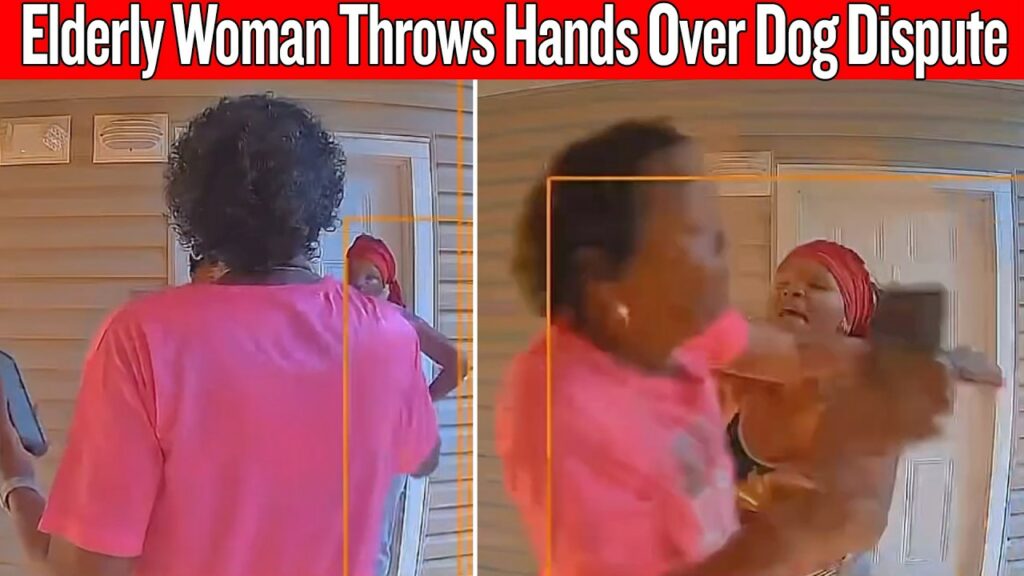
An elderly woman called 911 over a dog dispute with her neighbor, walked to the neighbor’s house while still on the phone with dispatch, ignored the dispatcher’s instructions to stay back, and struck her neighbor first — on camera. Under Texas law, the moment she threw that punch, she became the criminal defendant, not the victim, and her neighbor’s response is legally protected self-defense.
BJ Kemp breaks down what actually happened in the video above, what Texas Penal Code 22.01 says about assault, and why age, calling 911 first, or being the one who was “right” about the underlying dispute doesn’t change who committed a crime that day.
What Texas Law Actually Defines as Assault
Most people think yelling at someone, calling them names, or being aggressive counts as assault. It doesn’t. Texas Penal Code Section 22.01 defines assault as intentionally, knowingly, or recklessly causing bodily injury to another person, threatening someone with imminent bodily injury, or causing physical contact you know the other person will find offensive or provocative.
Being angry is not assault. Being on someone’s property uninvited is not assault. But the moment a person causes bodily injury — throws a punch that connects — that’s assault under Texas law, full stop. In this video, the elderly woman struck her neighbor first, on camera, while a 911 dispatcher listened on the phone. That’s the intentional infliction of bodily injury Section 22.01 describes.
Why Her Neighbor’s Response Is Legal Self-Defense
Texas self-defense law allows a person to use reasonable force — force proportional to the threat — to stop an ongoing assault. She was the aggressor. She threw the first punch. Her neighbor didn’t have to absorb the hit and wait for police; Texas law allowed an immediate, proportional response to stop the attack.
Texas Doesn’t Require You to Retreat
Texas recognizes a stand-your-ground rule under Penal Code Chapter 9: a person who is not engaged in criminal activity and has a right to be where they are has no duty to retreat before using force to defend against an unlawful attack. Her neighbor had the right to stand there and defend against her attack rather than flee.
Age Doesn’t Create Immunity From Assault Charges
Elder abuse statutes exist to protect vulnerable people from exploitation and physical harm — they don’t shield someone who is the initiating aggressor in a physical confrontation. An 80-year-old who swings first is legally treated the same as a 20-year-old who swings first: the right to self-defense belongs to whoever is being attacked, not to whoever is older.
Accused of Assault When You Were Actually Defending Yourself?
Don’t talk to police or the other side alone — get your account documented first.
(346) 971-7333 — Free Case Review
The Dog Dispute Itself Is a Separate, Civil Matter
Under Texas property law, an animal is legally treated as property. If one dog injures another dog, that’s property damage — the owner of the injured dog can pursue a civil claim for veterinary bills, the animal’s value, and related damages. That claim exists whether or not anyone ever raises a fist. Nothing about the underlying dog dispute required her to leave her porch, confront her neighbor in person, or ignore dispatcher instructions to get compensated.
Ignoring Dispatcher Instructions Matters Legally
The 911 dispatcher told her explicitly to stay back and let police handle it. She didn’t. When someone ignores direct instructions from a police dispatcher and walks into a confrontation anyway, they assume the risk of what happens next — and they can’t later claim the person who told them to stay put bears responsibility for the outcome.
What Happens Next Legally for Both Sides
Criminal Exposure for the Person Who Struck First
Assault under Section 22.01 is a Class B misdemeanor, or higher if it causes serious bodily injury or involves aggravating factors, and carries potential jail time and a criminal record. The neighbor could also pursue a separate civil lawsuit for medical bills, pain and suffering, and property damage — Texas allows criminal charges from the state and a civil suit from the victim to proceed at the same time.
Minimal Exposure for the Person Who Defended Themselves
Self-defense under Chapter 9 of the Penal Code is a full legal justification for the neighbor’s response, both against a potential criminal charge and against civil liability, as long as the force used was reasonable and proportional to the threat.

What to Do if You’ve Been Accused of Assault After Defending Yourself
Don’t Talk to Police Without Documenting Your Account First
What you say in the immediate aftermath of a confrontation matters enormously. Get your version of events documented by an attorney before giving a recorded statement.
Preserve Any Video or Witness Information
If the incident was filmed — by a doorbell camera, a bystander, or the other party’s own phone — that footage is often the single most important piece of evidence in a self-defense claim.
Get Medical Documentation of Any Injuries
Even minor injuries from being struck should be documented by a medical professional immediately; this record supports both your defense and any civil claim you may have.
Talk to an Attorney Before You Talk to the Other Side
Self-defense claims are won or lost on the specific sequence of events — who moved first, who struck first, what warnings were given. An attorney can help make sure that sequence is documented accurately from the start.
Frequently Asked Questions
Is yelling at someone or being aggressive considered assault in Texas?
No. Under Texas Penal Code Section 22.01, assault requires causing bodily injury, threatening imminent bodily injury, or causing physical contact you know will be regarded as offensive. Being angry, yelling, or making demands does not by itself meet that legal standard.
Does someone’s age affect their right to claim self-defense in Texas?
No. Self-defense under Texas Penal Code Chapter 9 applies based on who is responding to an unlawful attack, not the age of either party. Elder abuse protections do not shield someone who is the initiating aggressor in a physical confrontation.
Do I have to retreat before defending myself in Texas?
No. Texas is a stand-your-ground state under Penal Code Chapter 9. A person who is not engaged in criminal activity and has a right to be where they are has no legal duty to retreat before using reasonable force to stop an unlawful attack.
What’s the criminal penalty for assault under Texas Penal Code 22.01?
A basic assault causing bodily injury is a Class B misdemeanor in Texas, punishable by up to 180 days in jail and a fine of up to $2,000. It can be elevated to a higher-level offense if the victim is in a protected category, if a weapon is involved, or if serious bodily injury results.
Can I be sued civilly and charged criminally for the same assault in Texas?
Yes. Texas allows the state to bring criminal assault charges while the injured person separately files a civil lawsuit for damages such as medical bills, pain and suffering, and lost wages. The two proceedings run independently of one another.
Sources & Further Reading

Your Houston Self-Defense & Personal Injury Attorney
BJ Kemp
Texas State Bar #24116608 · Texas Legal Giants · Houston, TX
Being accused of assault when you were the one defending yourself is one of the most disorienting legal situations a person can face. BJ Kemp helps Houston-area clients document their side of the story quickly and correctly, so a moment of self-defense doesn’t turn into a criminal record or a civil judgment against you.
(346) 971–7333 — Free Case ReviewLearn more about Texas dog bite and animal injury claims or explore our full Texas personal injury practice.