
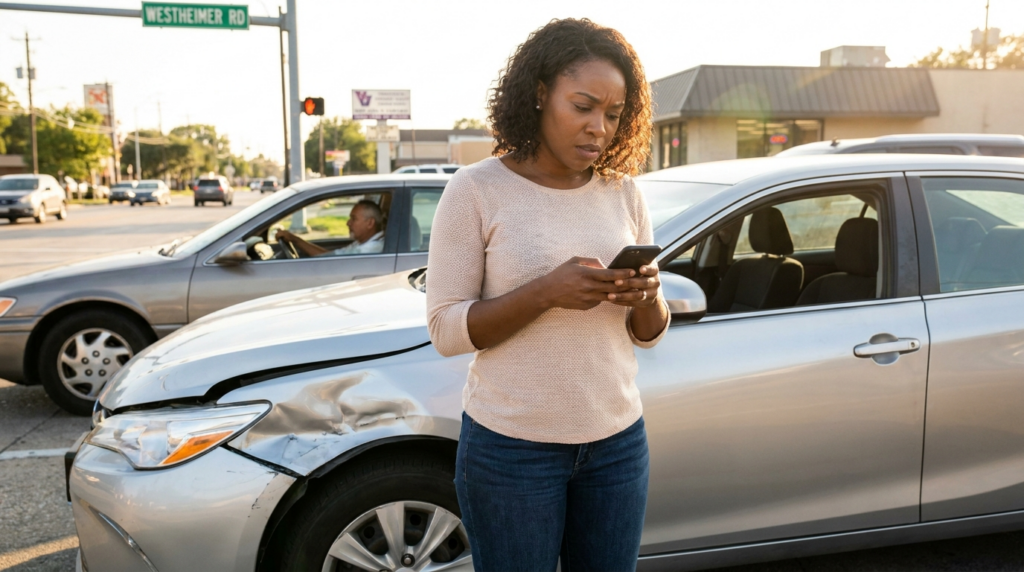
You did everything right. You drove carefully, carried insurance, and followed the law. Then someone who didn’t blew a red light and slammed into your car.
And now you find out: they have no insurance.
It’s one of the most infuriating situations a Houston driver can face — and unfortunately, it’s not rare. According to the Insurance Research Council, roughly 1 in 8 Texas drivers on the road is uninsured. In some Houston zip codes, that number climbs even higher.
Here’s the good news: being hit by an uninsured driver doesn’t mean you’re out of options. It means you need to move strategically — and quickly. This guide explains exactly what to do, step by step.
Step 1: Handle the Scene the Same Way You Always Would
Whether the other driver has insurance or not, the scene of the accident matters. What you do — and don’t do — in those first minutes shapes everything that follows.
- Call 911. Get police to the scene and get an official accident report. Texas law requires you to report accidents involving injury, death, or property damage over $1,000. A police report documents who was there, who was at fault, and the condition of both vehicles.
- Get the other driver’s information. Name, date of birth, driver’s license number, license plate, and the name and phone number of anyone claiming to be their insurer — even if that coverage turns out to be lapsed or invalid.
- Document everything. Photograph the damage to both vehicles from multiple angles, the license plates, the intersection or road, skid marks, street signs, and your injuries. Video is even better.
- Get witness information. Names and phone numbers from anyone who saw the crash.
- Seek medical care immediately. Even if you feel okay. Adrenaline masks pain. Injuries like whiplash, herniated discs, and internal bleeding can take hours or days to fully present.
Do not accept cash at the scene. Some uninsured drivers will offer to pay out of pocket to avoid involving police. Refuse. You don’t yet know the full extent of your injuries, and cash-at-scene deals almost always leave victims undercompensated.
Step 2: Check Your Own Insurance Policy Immediately
This is where many Houston drivers are surprised — sometimes pleasantly.
Texas law requires every auto insurer to offer Uninsured/Underinsured Motorist (UM/UIM) coverage when you buy a policy. You can reject it — but only in writing. If you never signed a rejection form, there’s a strong chance you have it and may not even realize it.
Pull out your declarations page or call your insurer right now. Look for:
- Uninsured Motorist Bodily Injury (UMBI) — covers your medical bills, lost wages, and pain and suffering when the at-fault driver has no insurance
- Uninsured Motorist Property Damage (UMPD) — covers damage to your vehicle (subject to a deductible)
- Underinsured Motorist (UIM) — kicks in when the at-fault driver has insurance, but not enough to cover your full damages
If you have UM coverage, this is typically your best first path to compensation — faster, more reliable, and less contentious than suing an individual with no assets.
How UM/UIM Claims Work in Texas
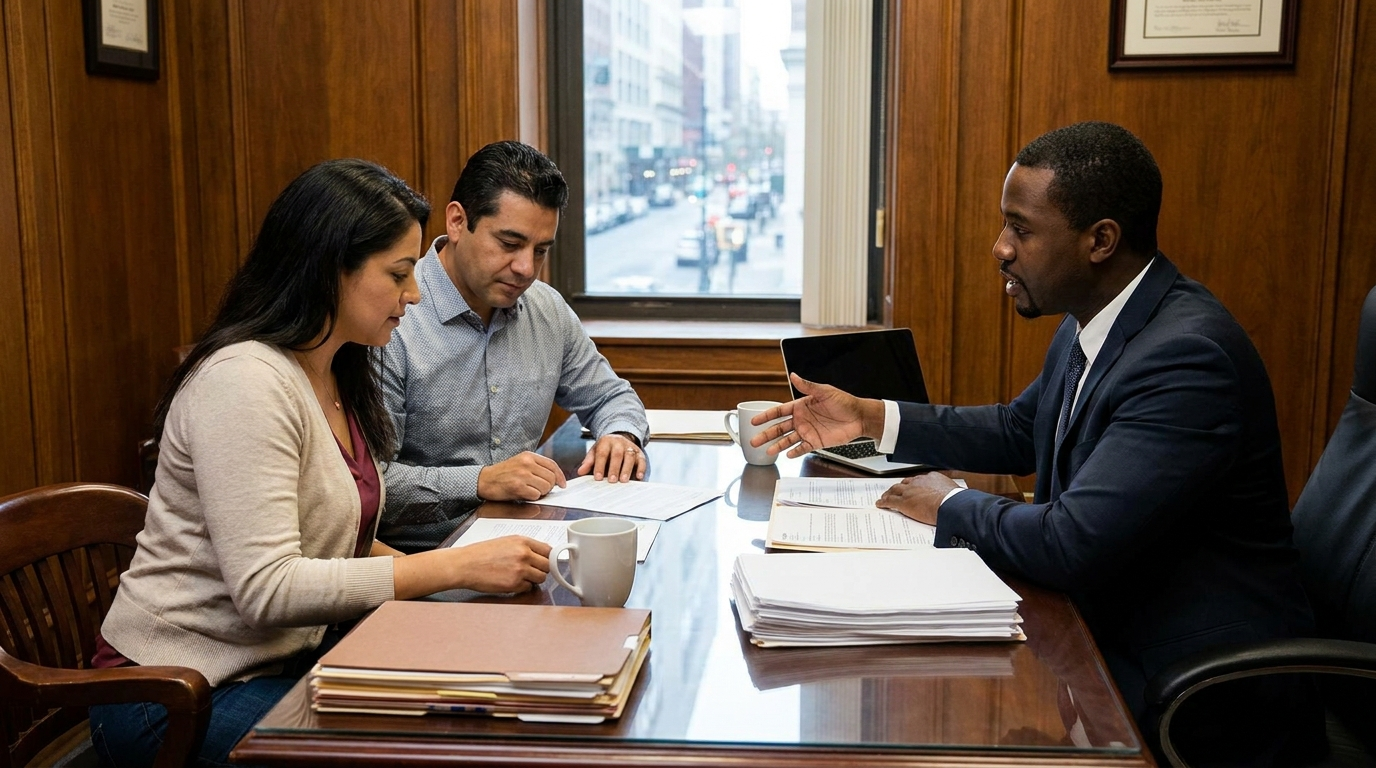
Filing a UM claim means you’re making a claim against your own insurance company — which should be straightforward, but often isn’t. Your insurer has the same financial incentive to pay as little as possible as any other insurance company.
Here’s the general process:
- Report the accident to your insurer. Do it promptly — most policies require timely notice. Give them the basic facts, but don’t give a recorded statement or discuss fault without consulting an attorney first.
- Complete your medical treatment. Your UM claim value is tied to your documented injuries and treatment. Don’t rush to settle before you know the full extent of what you’re dealing with.
- Gather all documentation. Medical records, bills, pay stubs if you missed work, and any evidence supporting your pain and suffering.
- Submit a demand. Once you’ve reached maximum medical improvement (MMI), your attorney will submit a demand letter to your insurer laying out your total damages.
- Negotiate or arbitrate. UM disputes can go to arbitration rather than court — check your policy. An attorney is especially valuable here since you’re negotiating against your own insurer’s adjusters.
One critical point: Texas requires you to prove the uninsured driver was at fault before your UM coverage pays. This is why the police report, witness statements, and scene documentation from Step 1 matter so much.
What If You Don’t Have UM Coverage?
If you rejected UM coverage or your policy doesn’t include it, your options are more limited — but not zero.
Option 1: File a Collision Claim
If you have collision coverage, it will pay for damage to your vehicle regardless of fault, subject to your deductible. It won’t cover your medical bills or pain and suffering — but it gets your car repaired faster than most alternatives.
Option 2: Sue the Uninsured Driver Directly
You have the right to sue the at-fault driver personally for your damages. Texas courts take car accident claims seriously, and if the other driver is found liable, the court will enter a judgment against them.
The challenge: collecting that judgment. Many uninsured drivers are uninsured precisely because they can’t afford insurance — and if they have no meaningful assets, a judgment may be difficult to enforce.
That said, suing is still worth pursuing in some situations:
- The other driver has assets — a home, business, savings, or steady income
- You can garnish their wages
- Your damages are severe enough to justify the effort
Texas does allow wage garnishment in personal injury judgments (outside of bankruptcy), which gives you a real collection tool even when the other driver appears to have nothing.
Option 3: MedPay Coverage
Medical Payments coverage (MedPay) is optional in Texas and pays your medical bills regardless of fault or whether the other driver has insurance. It typically has lower limits ($2,500–$10,000) but pays quickly and without the fault determination required by UM claims.
Option 4: Health Insurance
Your own health insurance can cover accident-related medical treatment. An attorney can help you manage the health insurer’s subrogation rights — their right to be repaid from any settlement — so you actually keep more of your recovery.
The Texas Department of Transportation Can Help Identify Uninsured Drivers
Texas requires all registered vehicles to carry proof of financial responsibility (insurance). If you have the license plate number, law enforcement and your attorney can often verify through the Texas Department of Insurance database whether the vehicle had active coverage at the time of the crash.
This matters because some drivers claim to be uninsured when they actually have a lapsed or disputed policy. An attorney knows how to investigate and may find coverage you didn’t expect.
Why You Need an Attorney for Uninsured Driver Cases
These cases are more legally complex than standard car accident claims for several reasons:
- Your own insurer may fight you. It sounds wrong, but it’s true — UM claims are claims against your own insurance company, and adjusters are trained to minimize what they pay. An experienced attorney knows how to counter lowball offers.
- Identifying all available coverage takes legal skill. Ghost policies, umbrella policies, employer liability (if the at-fault driver was working), and government liability (if road conditions contributed) all require investigation.
- Arbitration clauses are common. Many UM disputes go to binding arbitration instead of court. You want representation in that process.
- The statute of limitations still applies. You have 2 years from the date of the accident to file suit in Texas — against the at-fault driver or in disputes with your own insurer. Missing that deadline can eliminate your claim entirely.
Frequently Asked Questions
You can file a claim under your own Uninsured Motorist (UM) coverage if you have it, or sue the at-fault driver directly. An attorney can identify all available compensation sources, including UM/UIM, MedPay, health insurance, and direct lawsuits.
Texas insurers are required to offer UM coverage, but drivers can reject it in writing. If you never signed a written rejection, you likely have it. Check your declarations page or call your insurer.
Yes. Texas courts will hear your personal injury case against an uninsured driver. Collecting on the judgment is often the challenge — an attorney can help you assess whether the at-fault driver has assets worth pursuing.
Texas has a 2-year statute of limitations for personal injury claims. Act quickly — evidence disappears, witnesses become harder to locate, and your claim only gets more difficult to prove over time.
At Texas Legal Giants, we handle cases on a contingency fee — you pay nothing unless we recover compensation for you. We can also advise you on managing deductibles and out-of-pocket expenses while your claim is pending.
Talk to a Houston Car Accident Attorney
Sources & Further Reading
Your Houston Car Accident Attorney
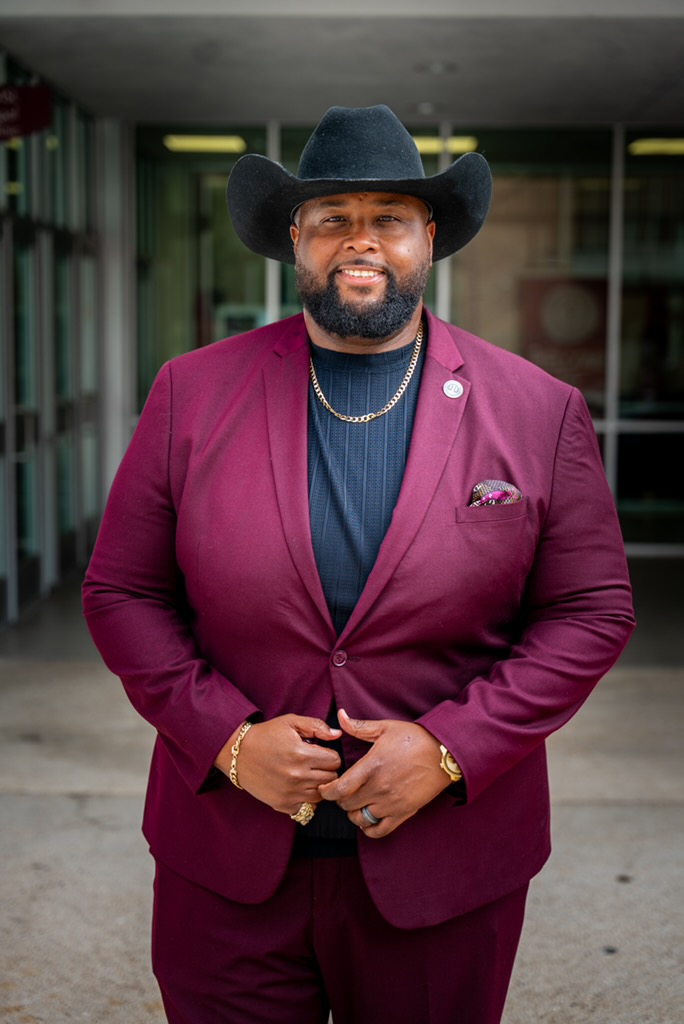
BJ Kemp
Texas State Bar #24116608 · Texas Legal Giants · Houston, TX
Discovering the at-fault driver has no insurance — or not enough — is one of the most frustrating moments after a crash. BJ Kemp has recovered compensation for uninsured motorist clients through their own UM/UIM coverage, third-party liability claims, and direct suit against the at-fault driver. He knows every path to recovery when insurance falls short.