
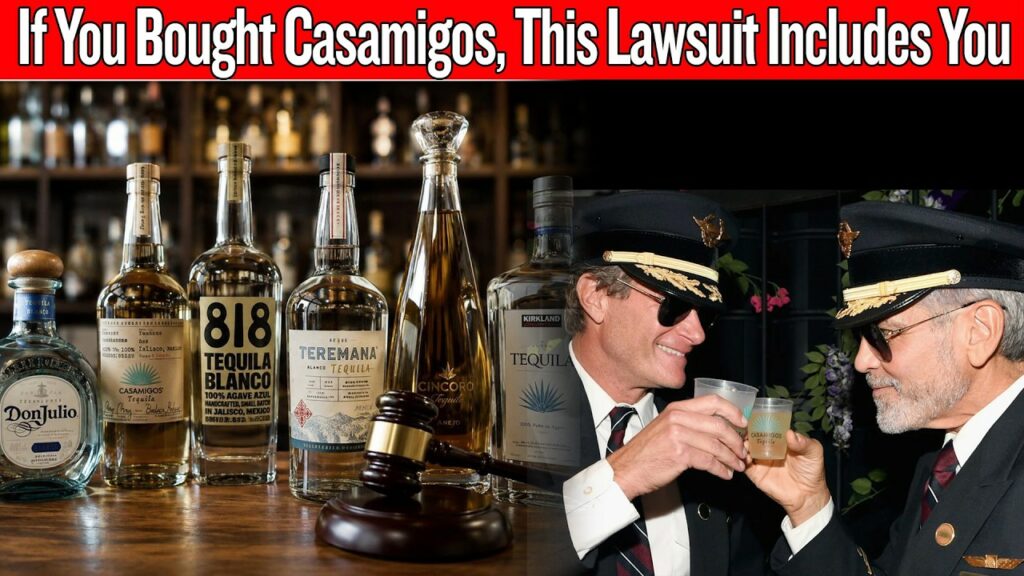
If you bought Casamigos, Don Julio, Teremana, 818, Luna Azul, or Kirkland tequila, you may be eligible for cash compensation through a class action lawsuit. Independent lab testing found that these premium bottles—labeled as “100% Blue Weber Agave”—allegedly contain cane alcohol and cheaper substitutes instead. This isn’t just a taste preference issue. This is fraud. Here’s what you need to know about the lawsuit and your rights as a consumer.
Watch the Full Explanation
The Tequila Lawsuit — 7 Brands Named in Class Action Litigation
What Happened — Lab Testing Found False Labeling
Seven premium tequila brands are currently named in class action lawsuits alleging that their bottles do not contain 100% Blue Weber Agave as labeled. Independent laboratory testing found evidence of cane alcohol and cheaper alcohol substitutes in bottles marketed as premium, 100% agave products. The brands named include:
- Casamigos
- Don Julio
- Teremana
- 818 Tequila
- Luna Azul
- Kirkland (Costco brand)
- Other premium brands
Each of these bottles carries a label claiming “100% Blue Weber Agave.” That’s not marketing language. That’s a specific legal requirement under U.S. and Mexican law. If the bottle doesn’t contain exactly that, the company violated consumer protection law.
Why This Is Fraud, Not Just a Quality Issue
Here’s what most people misunderstand: This lawsuit isn’t about whether the tequila tastes good or bad. It’s about false advertising and consumer deception. When a company charges you $40, $50, or $60 for a bottle of tequila claiming it’s 100% Blue Weber Agave, you’re paying a premium price for a specific, expensive ingredient.
Blue Weber agave is expensive because:
- Growing time: Takes 5–10 years to mature;
- Harvest difficulty: Labor-intensive manual harvesting;
- Limited supply: Specific regions produce it;
- Production cost: Results in higher retail prices (premium pricing justified by the ingredient).
Cane alcohol, by contrast, is cheap and easy to produce. If companies are cutting corners by using cheaper cane alcohol while maintaining premium pricing and a “100% Agave” label, that’s fraud. Consumers paid premium prices for a specific ingredient they didn’t actually receive.
The Legal Framework — FTC Act Section 5 and Consumer Protection Laws
False Advertising Violates Federal Law
The legal claim in this lawsuit is straightforward: The companies engaged in deceptive practices that violate consumer protection law. Specifically, the FTC Act Section 5 makes it unlawful for any company to engage in unfair or deceptive practices in commerce. Deceptive practices include:
- False advertising: Making claims about product ingredients that are false;
- Misleading labels: Labeling products with false or misleading information about composition;
- Bait-and-switch: Selling a product under false pretenses to justify premium pricing.
In this case, tequila companies are accused of exactly this. The labels claim “100% Blue Weber Agave.” Independent lab testing suggests the bottles contain non-agave alcohol. That’s a direct violation of FTC regulations and state consumer protection statutes.
What Makes This Actionable Fraud
For a lawsuit to succeed, three things must be proven:
- False statement: The label said “100% Agave” — ✓ proven by the label itself;
- Consumer reliance: You bought the product based on that label — ✓ consumer purchases are evidence;
- Injury: You paid a premium price for a product that doesn’t match the label — ✓ price difference between 100% agave and mixed alcohol products.
All three elements exist in this case. That’s why consumers are eligible to join the lawsuit.
Don Julio & Casamigos Lawsuit Update — September 2026 (No Ruling Yet on 3 Pending Cases)
Last updated: September 30, 2026. Short answer: the Casamigos and Don Julio lawsuits are still pending, no class has been certified, and no settlement or claims process exists yet. Anyone advertising a “Don Julio settlement payout” right now is getting ahead of the court.
Three Class Actions Against Diageo — Led by Pusateri v. Diageo North America
The lead case is Pusateri v. Diageo North America, Inc., pending before Judge LaShann DeArcy Hall in the U.S. District Court for the Eastern District of New York, with related suits in California and Florida. Together the cases seek more than $5 million in damages under the federal Class Action Fairness Act threshold. Diageo “categorically denies” the allegations.
- 2025: Three class actions filed alleging Casamigos and Don Julio “100% agave” tequilas contain non-agave alcohol, based on carbon isotope and SNIF-NMR lab testing;
- November 2025: Diageo moved to dismiss, calling the lab-testing theory “implausible”;
- May 6, 2026: Diageo asked the court to stay the cases until the motions to dismiss are decided;
- May 8, 2026: Plaintiffs filed their opposition to the stay;
- As of September 30, 2026: No ruling on the stay or the motions to dismiss, no class certification, and no settlement.
Teremana, Kirkland, 818 and Lunazul — Separate Lawsuits Filed
The Diageo cases only cover Casamigos and Don Julio. Other brands face their own lawsuits, each on its own timeline:
- Teremana: Filed April 3, 2026 in Illinois federal court against Siete Bucks Spirits (Tomescu v. Siete Bucks Spirits); it alleges consumers paid at least $11 — about 58% more — per bottle for “100% agave,” “small batch” and “handcrafted” claims;
- Kirkland Signature (Costco): Separate class action alleging “100% de Agave” tequilas contain alcohol from non-agave sugars;
- 818 Tequila: Separate class action challenging its 100% agave labeling;
- Lunazul: Separate class action on similar agave-content allegations.
What happens next: if Judge DeArcy Hall denies the motions to dismiss, the Diageo cases move into discovery, where plaintiffs can demand Diageo’s production and sourcing records. If the motions are granted, plaintiffs typically get a chance to amend. Either way, a settlement claims process is unlikely before 2027. Hagens Berman, one of the plaintiffs’ firms, tracks the case on its Casamigos & Don Julio case page.
Eligible for the Tequila Lawsuit? You May Be Entitled to Compensation.
BJ Kemp helps consumers recover damages from false advertising and consumer fraud. If you purchased any of these brands, you may be eligible to join this class action and recover compensation.
(346) 971–7333 — Free Case ReviewHow to Protect Your Rights — What You Should Do Now
Step 1 — Gather Documentation of Your Purchases
If you purchased any of the named tequila brands, start documenting it. You don’t need perfect records, but proof is important when the settlement arrives. Look for:
- Receipts: Store receipts from liquor stores or online purchases;
- Credit card statements: Look for charges to liquor stores or online retailers;
- Bank statements: Any transactions showing you bought the product;
- Photos or labels: If you still have the bottles, photos of the labels help;
- Witnesses: Anyone who can confirm you purchased the product.
You don’t need to have every receipt. Class actions often allow consumers to make a reasonable claim based on available records. But having at least some documentation strengthens your claim when you submit it.
Step 2 — Do NOT Throw Away Your Bottles (If You Have Them)
If you still have any of these bottles, keep them. They’re evidence. If the case goes to trial or settlement, physical bottles with the “100% Agave” label are crucial proof that you relied on the false labeling.
Step 3 — Monitor the Case and File Your Claim When Settlement Arrives
The lawsuit is ongoing. When (and if) a settlement is reached, the court will establish a claims process. At that point, you’ll need to file a claim proving you purchased the product. That’s when your documentation matters.
You don’t need to do anything right now to “join” the class. Being a consumer who purchased the product automatically makes you eligible. But when the settlement period opens—which could be months or years away—you’ll want to file your claim. That’s when having records helps.
Step 4 — Consult with a Consumer Protection Attorney
If you have questions about whether you’re eligible or what to expect, call a consumer protection attorney. The initial consultation is typically free. An attorney can advise you on your specific situation and help you file a claim when the time comes.
Frequently Asked Questions
Am I automatically part of the lawsuit if I bought Casamigos or Don Julio?
Yes, if a class is certified. Once the court officially certifies a class of consumers who purchased these brands, you’re automatically included (unless you opt out). You don’t need to do anything special to “join” the class. However, to receive compensation, you’ll need to file a claim when the settlement period opens, and you may need to provide proof of purchase (receipts, credit card statements, etc.).
What happens if the companies win the case and the lawsuit is dismissed?
If the court rules in favor of the companies, the lawsuit ends and consumers don’t recover damages. However, the underlying allegations are strong: (1) labels claim 100% agave, (2) lab testing found non-agave alcohol, (3) companies charged premium prices. These facts directly support the consumer fraud claim. It’s unlikely the case will be dismissed on the merits, though early procedural rulings could delay progress.
How much money could I receive from this settlement?
The settlement amount is unknown until a deal is reached or a jury verdict is handed down. Settlement amounts in consumer fraud class actions vary widely: some are $50–$200 per class member, others are higher depending on the case value and number of class members. The more people who file claims, the smaller each individual payment. Without knowing the final settlement, it’s impossible to predict an exact amount, but consumers are typically entitled to recover the price difference between what they paid and the actual value of the product they received.
Do I need to hire a lawyer to file a claim in this lawsuit?
No. Class actions are designed so consumers don’t need a lawyer to receive their settlement payment. When the claim period opens, you can file directly with the claims administrator. However, consulting a lawyer beforehand is free and can help you understand your rights and ensure your claim is filed correctly. If you have questions or concerns, it’s worth the phone call.
How long will this lawsuit take?
Class action lawsuits typically take 2–5 years from filing to settlement or verdict. As of September 30, 2026, the Casamigos and Don Julio cases are still at the motion-to-dismiss stage — Diageo asked for a stay on May 6, 2026, plaintiffs opposed on May 8, and Judge DeArcy Hall has not ruled. If the court denies those motions, the case moves to discovery (where both sides exchange evidence) and then potentially settlement negotiations. Settlement could happen in 1–2 years, or the case could go to trial, which would extend the timeline. Patience is required, but consumers do eventually recover.
Sources & Further Reading
- Hagens Berman — Casamigos & Don Julio Tequila case page
- FTC Act Section 5 — Unfair or Deceptive Practices in Commerce
- Federal Trade Commission — Consumer Protection Resources
- U.S. District Court — Eastern District of New York
- NOLO — Class Action Lawsuits Explained
- Consumer.FTC.gov — Report a Consumer Fraud
Consumer Protection & Class Action Attorney
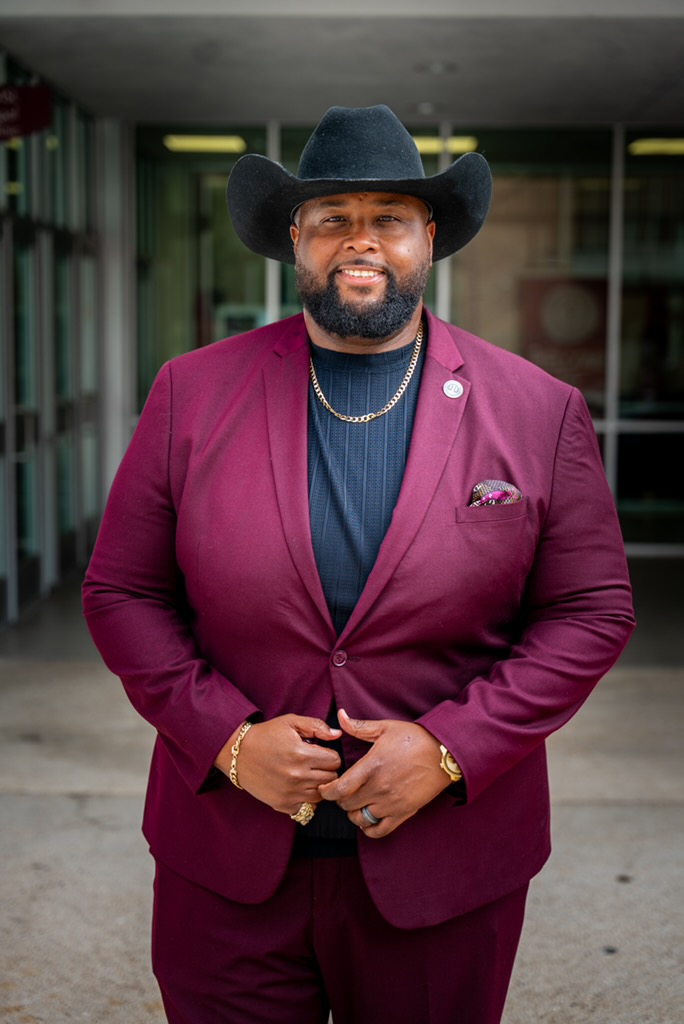
BJ Kemp
Texas State Bar #24116608 · Texas Legal Giants · Houston, TX
If you purchased Casamigos, Don Julio, or any of the named tequila brands, you may be eligible to recover compensation through this class action lawsuit. BJ Kemp represents consumers in class actions and consumer fraud cases, helping them understand their rights and file claims for damages. If you have questions about your eligibility or the lawsuit, call for a free consultation.
(346) 971–7333 — Free Case Review