

Within days of your Houston car accident, you’ll likely get a call from a friendly-sounding insurance adjuster. They’ll express concern for your wellbeing, ask how you’re feeling, and offer to help you get things resolved quickly. It sounds helpful. It isn’t.
Insurance adjusters are professional claim minimizers. Their job is to settle your claim for as little as possible, and they’re very good at it. Understanding who they really work for — and what tactics they use — is the first step to protecting your claim.
Who Insurance Adjusters Really Work For
Let’s be direct: insurance adjusters work for the insurance company, not for you. They are salaried employees (or independent contractors) whose performance is measured, in part, by how efficiently they close claims. “Efficiently” means at the lowest possible cost to the insurer.
This is true even for “your own” insurance company’s adjuster in many situations. When you’re dealing with the at-fault driver’s insurer — the most common scenario in Texas liability claims — there is zero ambiguity: that adjuster is the opposing party in a financial negotiation.
Understanding this changes how you approach every interaction. The adjuster is not your advocate. They are not on your side. Everything you say to them is potential ammunition to reduce what they owe you.
The Recorded Statement Trap
One of the first things an adjuster will ask for is a recorded statement — a recorded phone call where you describe the accident, your injuries, and your current condition.
They’ll frame it as routine and necessary to “process your claim.” It is neither. Here’s what they’re really doing:
- Locking in your story before you have full information about your injuries or the accident
- Looking for inconsistencies they can use to discredit you later
- Getting you to minimize your own injuries — people instinctively downplay pain on day 3, not knowing it will worsen
- Finding admissions of partial fault through innocent-sounding questions like “Did you have time to brake?” or “Were you familiar with that intersection?”
Do not give a recorded statement to the at-fault driver’s insurance company without an attorney present. You have no legal obligation to do so, and there is virtually no upside for you — only downside. Politely decline and tell them to contact your attorney.
Common Lowball Tactics Adjusters Use
The Quick Settlement Offer
Days or weeks after your accident, you may receive an offer. It will feel like real money — especially if you’re out of work and bills are piling up. But these early offers are almost always a fraction of what your case is actually worth, because:
- You haven’t finished treatment yet (so full medical costs are unknown)
- Future medical expenses haven’t been calculated
- Your attorney hasn’t had time to investigate and build your case
- You haven’t felt the full impact of long-term pain and disability
Once you sign a release and accept the settlement, the claim is permanently closed. The insurer knows this. You should too.
Disputing Your Injuries
Insurance companies commonly argue that your injuries were “pre-existing,” that the accident wasn’t severe enough to cause the injuries you claim, or that your treatment was excessive or unnecessary. They may send your medical records to their own hired doctors (called Independent Medical Examiners, or IMEs) who are known for minimizing injury severity on behalf of insurers.
This is why consistent, documented medical treatment from credentialed providers matters enormously. Gaps in treatment, or failing to follow your doctor’s recommendations, give adjusters ammunition.
Surveillance
In high-value claims, insurance companies may hire private investigators to surveil you — photographing you mowing the lawn, carrying groceries, or playing with your kids. A single photo of you doing something active will be used to argue your injuries aren’t as serious as you claimed.
This isn’t paranoia — it’s standard practice in Texas personal injury cases involving significant damages. Your attorney will advise you on how to conduct yourself during an active claim.
Delay, Delay, Delay
Insurance companies use time as a weapon. The longer they wait, the more financial pressure builds on injured claimants who are out of work and facing mounting bills. Many people accept lowball offers not because they think it’s fair, but because they’re desperate.
Texas law provides some protection: under Texas Insurance Code Chapter 542, insurers must acknowledge your claim within 15 days, accept or reject it within 15 business days of receiving complete documentation, and pay within 5 business days of acceptance. Violations can result in 18% annual interest penalties. But adjusters know exactly how to work within — and around — these timelines.
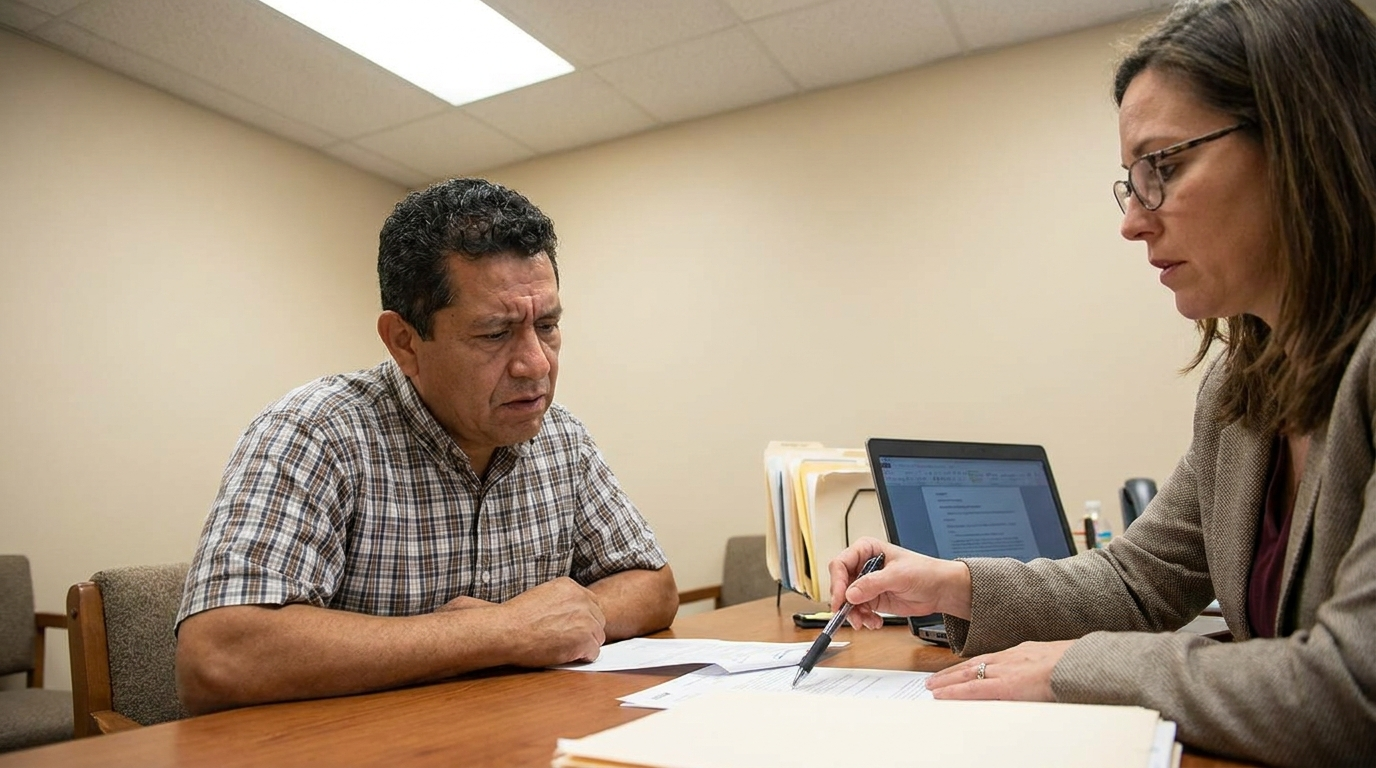
What to Say (and Not Say) to an Adjuster
What You Should Say
- Your name and contact information
- The date, time, and general location of the accident
- The names of your attorney (if you have one) and ask them to direct further communications there
- That you are represented and they should contact your lawyer
What You Should Never Say
- “I’m fine” or “I’m not seriously hurt” — Whiplash and soft tissue injuries often worsen over days. Many injuries are not fully apparent immediately after an accident.
- Anything that could imply partial fault — “I didn’t see them coming,” “I was running a little late,” or “I was reaching for my phone to check the GPS” can all be used against you.
- Speculation about what happened — Stick to facts you know for certain. Guessing how the accident occurred can create inconsistencies that damage your case.
- The names of your healthcare providers — Until your attorney has reviewed your records and is managing the release of information, keep this private.
How Adjusters Evaluate Your Claim
Behind the friendly phone manner, adjusters are running your claim through a systematic evaluation process. Understanding it helps you know what to document.
Major factors in their evaluation include:
- Liability clarity: Is fault clear-cut, or can they argue you were partially responsible? Texas follows a modified comparative fault rule — if you’re assigned 20% of the fault, your recovery is reduced by 20%.
- Medical documentation: Are your injuries well-documented in your medical records? Is there a clear causal link between the accident and your injuries?
- Treatment consistency: Did you seek treatment promptly and continue it consistently? Gaps in care are red flags to adjusters.
- Your recorded statements: Did you say anything they can use to dispute the severity of your injuries or your fault level?
- Policy limits: What is the at-fault driver’s coverage limit? Texas requires only $30,000 per person in bodily injury liability — often far less than what serious injuries cost.
- Your financial situation: Are you represented by an attorney who will fight, or can they wait you out?
Many insurers also use software systems like Colossus that input your medical codes, treatment types, and injury details to spit out a recommended settlement range. These systems are calibrated to produce low numbers — and they favor documented, well-organized claims.
Why You Should Never Accept the First Offer
The first settlement offer in a Texas car accident claim is almost always too low. Here’s a framework for understanding why:
Consider a case where you have $25,000 in medical bills, 8 weeks of lost wages at $1,200/week, and significant pain and suffering from a herniated disc. The true value of that claim — accounting for future medical treatment, ongoing pain, and loss of enjoyment of life — might be $150,000 or more.
An adjuster’s first offer might be $35,000. It covers your bills — barely — and gives you something for the inconvenience. What it doesn’t include: future physical therapy, possible surgery, the 6 months of work you’ll miss during recovery, or the fact that you can’t coach your kid’s soccer team anymore.
Once you accept and sign the release, you cannot go back for any of that — ever. This is why experienced personal injury attorneys don’t send demand letters until clients reach Maximum Medical Improvement (MMI), the point where doctors can give a complete picture of long-term prognosis and costs.
How Having an Attorney Changes the Dynamic
When you hire a personal injury attorney, the entire dynamic of your insurance claim shifts. Adjusters know that represented claimants:
- Will not be pressured into giving damaging recorded statements
- Will not accept lowball settlement offers out of desperation
- Have someone who understands the law tracking every deadline
- Are willing and able to file a lawsuit if necessary
This changes the insurer’s calculus. Cases involving attorneys — particularly attorneys with trial experience — receive higher settlement offers on average, because the insurer factors in the risk and cost of litigation.
At Texas Legal Giants, BJ Kemp handles personal injury cases throughout the Houston area, including Harris County, Fort Bend County, and Montgomery County. He deals with insurance adjusters every day and knows every tactic in their playbook. When you have Texas Legal Giants on your side, adjusters know they’re negotiating with someone who will not blink — and who will take them to court if they don’t make a fair offer.
Cases handled on contingency: no fee unless we win. That means you can get professional representation without any upfront cost.
Frequently Asked Questions
No. You have no legal obligation to speak with or give a statement to the at-fault driver’s insurance company. Politely tell them you are represented by an attorney and they should direct all communications there. If you’re not yet represented, simply decline to give a statement until you speak with an attorney.
The adjuster must ask your permission first, and you can refuse. You should almost always refuse until you have spoken with an attorney. Anything you say in a recorded statement will be used against you if it can be.
Adjusters review the police report, medical records and bills, vehicle damage, photos, witness statements, and your recorded statements. They use software systems that assign values to injuries and look for ways to minimize payouts. Having an attorney ensures your documentation is organized and presented in the strongest possible light.
Never say you are “fine,” admit any fault, speculate about how the accident happened, accept an offer on the spot, or give a recorded statement without attorney review. Any of these can significantly reduce your recovery.
Fast offers are designed to close your claim before you know its true value. Once you sign a release and accept payment, your claim is permanently closed — even if your injuries turn out to be far more serious and expensive than you knew at the time.
Talk to a Houston Car Accident Attorney — Free Consultation
Sources & Further Reading

Your Houston Car Accident Attorney
BJ Kemp
Texas State Bar #24116608 · Texas Legal Giants · Houston, TX
Insurance adjusters are paid to minimize payouts — not to help you. BJ Kemp spent years studying their tactics so he could counter them. He handles all adjuster communication for his clients, stopping recorded statements that get twisted, pushing back on lowball offers, and escalating when adjusters act in bad faith under Texas Insurance Code § 541.