
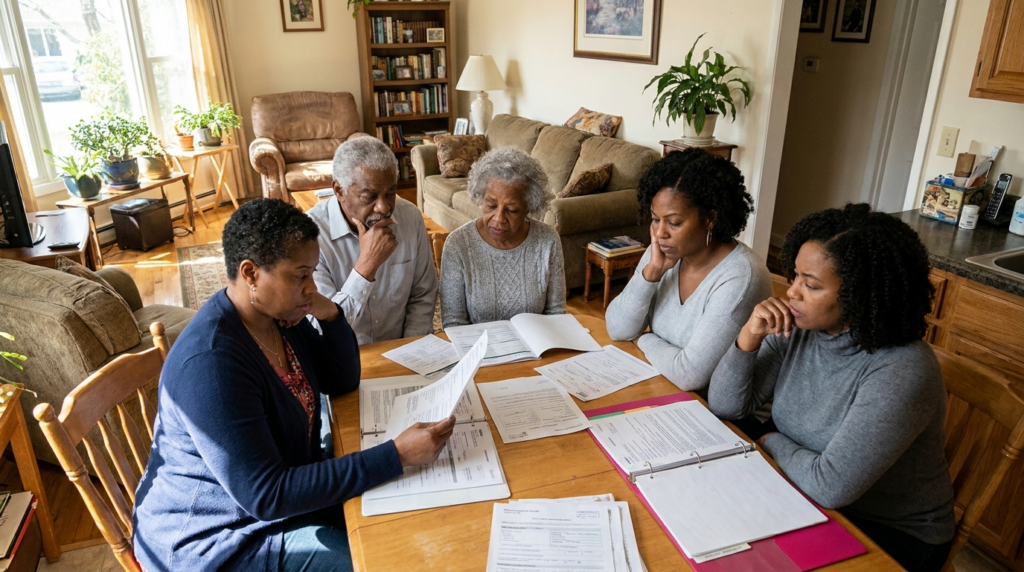
Most Texans assume their family will figure things out after they’re gone. But without a will, Texas law — not you — decides who gets your home, your savings, and custody of your children. The results often surprise families and can tear them apart.
This guide explains exactly what happens under Texas intestacy law, who inherits what, and what you can do right now to protect the people you love.
What “Dying Without a Will” Means in Texas
When a person dies without a valid will, Texas law calls them intestate. The state then applies a fixed set of inheritance rules — the Texas Estates Code Chapter 201 — to distribute everything you owned. These rules apply the same way to everyone, regardless of your wishes, your family relationships, or what you would have wanted.
There is no room for exceptions. If you wanted your sister to have the house, or your college-age child to inherit before your estranged spouse, none of that matters without a valid will. The court follows the statute, period.
Every year, thousands of Texas families go through Harris County Probate Court to sort out estates where there was no will. Most of them would have made different choices had they known what the law required.
Texas Intestate Succession: Who Inherits What
Texas uses a priority system — the closer the family relationship, the higher the priority. Here’s how it works in the most common situations:
If You’re Married With Children
This is the most common and most misunderstood scenario. Many people assume their spouse automatically inherits everything. Under Texas law, that is not what happens.
Texas distinguishes between community property (assets acquired during the marriage) and separate property (assets owned before marriage or received as gifts/inheritance).
| Asset Type | Spouse Inherits | Children Inherit |
|---|---|---|
| Community property | Your half of community property | Your half split equally among children |
| Separate personal property | 1/3 for life | 2/3 split equally |
| Separate real estate | 1/3 life estate only | 2/3 outright + 1/3 after spouse dies |
In plain terms: your children may co-own your house with your surviving spouse the moment you die. If your spouse wants to sell the home, the children — even minor children — legally have a say. This creates real practical problems, especially in blended families.

If You’re Married Without Children
Your spouse inherits all community property. But your separate property goes partly to your parents and siblings if they’re living. If you own property you brought into the marriage and don’t have a will, your parents could inherit a portion of it over your spouse.
If You’re Single With Children
Your estate is divided equally among your children. If any child has predeceased you, their share passes to their children (your grandchildren). This sounds clean, but if you have minor children, a court must appoint a guardian to manage the inherited assets until they turn 18 — not necessarily the person you would have chosen.
If You’re Single Without Children
Your estate goes to your parents equally. If both parents are deceased, it splits between your siblings. If no siblings, it goes to your grandparents, then aunts and uncles, then more distant relatives. Only if no living relatives can be found does the estate escheat — pass permanently to the State of Texas.
Note on unmarried couples: Texas intestacy law does not recognize unmarried partners, regardless of how long you’ve been together or whether you share a home and children. If you and your partner are not legally married and there is no will, your partner inherits nothing. Your assets go entirely to blood relatives under the intestacy hierarchy.
The Probate Process Without a Will in Texas
Even without a will, most estates go through the Texas probate system. The process is handled by the probate courts — in Houston, that’s the Harris County Probate Courts. Here’s what the process looks like without a will:
1. Filing an application for intestate administration. A family member must file with the probate court within four years of death. The court then determines who the legal heirs are under the Texas Estates Code.
2. Appointment of an administrator. The court appoints an estate administrator (similar to an executor). Without a will naming someone, the court follows a statutory priority list. This may result in someone being appointed who you would not have chosen.
3. Heirship proceeding. The court conducts a formal proceeding to legally establish who the heirs are. This requires two disinterested witnesses who can testify about your family history. It adds time and cost compared to probating a will.
4. Distribution under statute. Once heirs are determined and debts are paid, assets are distributed according to Texas Estates Code Chapter 201 — not according to any wishes you may have expressed verbally.
Under Texas Estates Code Chapter 301, the probate court has jurisdiction to resolve disputes between heirs — and without a will to clarify your wishes, those disputes are far more common.
Real Problems Families Face
Beyond the legal mechanics, dying without a will creates practical problems that affect real families every day:
Your home may be co-owned by people who disagree. If your children inherit an ownership interest in your home alongside your spouse, any of them can legally force a partition sale — even if your spouse wants to stay.
Minor children’s assets go into a court-supervised account. Children cannot legally own property outright. Without a will establishing a trust, their inheritance is managed by a court-appointed guardian until they turn 18 — at which point they receive everything outright, with no guidance or restrictions.
You cannot name a guardian for your children. A will is the only legal document where a parent can nominate a guardian for their minor children. Without one, the court decides who raises your kids after you’re gone.
Family businesses can be paralyzed. If you own a business and die intestate, your heirs inherit your interest immediately — but may have no knowledge of the business or how to operate it. Co-owners and employees are left in limbo while probate proceeds.
Estranged relatives may inherit. The intestacy statute does not account for estrangement. A parent you haven’t spoken to in 20 years could inherit a portion of your estate if you die without children or a spouse.
⚠️ According to the American Bar Association, more than half of American adults do not have a will. The most common reason given: “I haven’t gotten around to it.” Estate planning attorneys report that many of the most painful family disputes they see arise from estates where the deceased had clear intentions — but never put them in writing.
Blended Families Face the Highest Risk
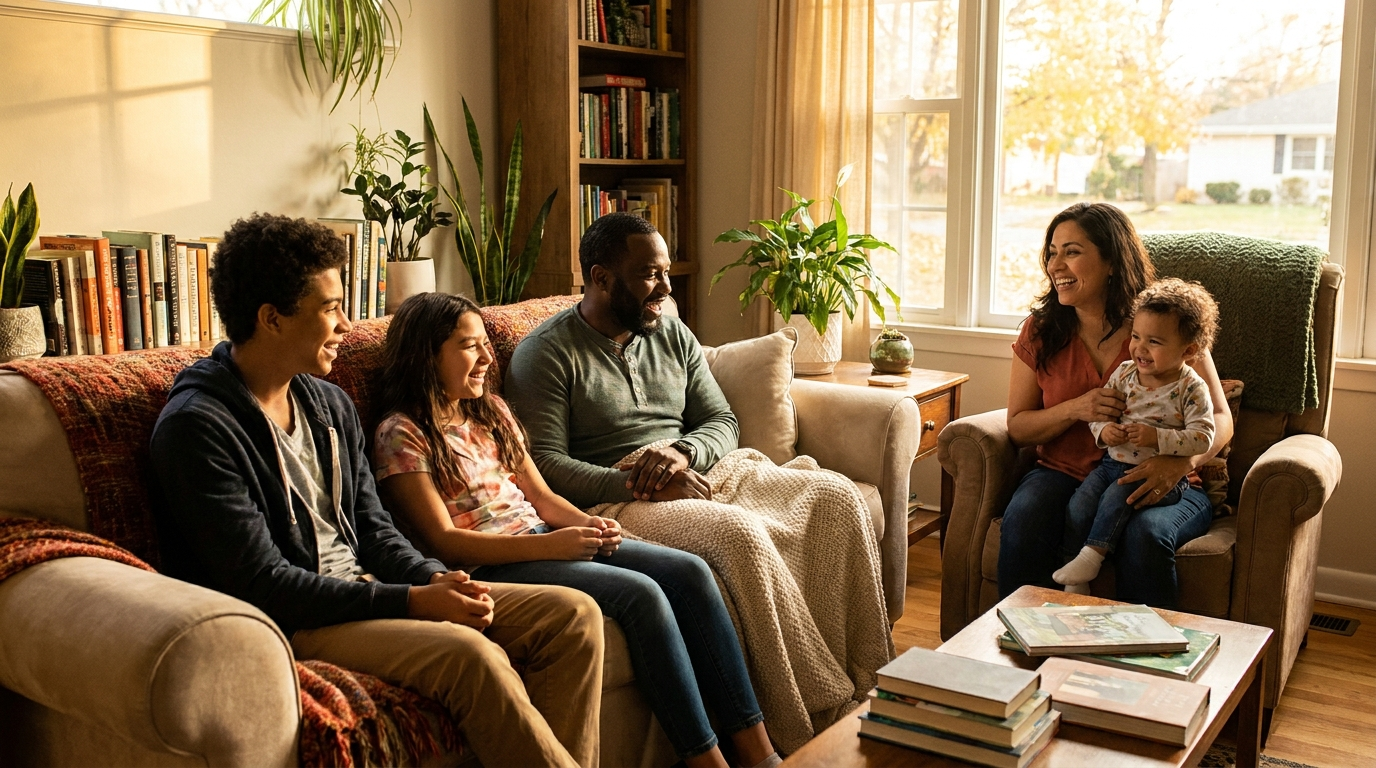
Texas intestacy law was written for traditional family structures. Blended families — where spouses have children from prior relationships — face some of the most difficult outcomes.
If you die without a will and your estate includes community property, your spouse inherits your half of community assets. But your children from a prior relationship inherit your separate property. This often means step-parents and stepchildren end up as co-owners of real estate with no clear path forward.
A simple will — or better, a revocable living trust — can ensure that your current spouse is provided for while your children from prior relationships also receive what you intended for them. Without one, the statute forces an outcome that almost no one in a blended family would choose.
What You Can Do Right Now
The good news: a will is not complicated or expensive to create, and it completely eliminates all of the scenarios above. A valid Texas will lets you:
• Name who inherits your property — and in what proportions
• Name an executor you trust to manage your estate
• Nominate a guardian for your minor children
• Establish a trust for children so they don’t receive assets outright at 18
• Protect a surviving spouse while preserving your children’s inheritance
• Exclude estranged relatives entirely
For larger estates or blended families, a revocable living trust may be more appropriate than a will alone — it avoids probate entirely and offers more flexibility in how and when assets are distributed.
The State Bar of Texas recommends that every adult have at minimum a will, a durable power of attorney, and a medical directive — regardless of age or estate size.
Don’t Let Texas Law Decide for Your Family
A simple conversation with an estate planning attorney takes less than an hour. Texas Legal Giants serves Houston families — no fee for the initial consultation.
Schedule a Free Consultation →
Frequently Asked Questions
Sources & Legal References
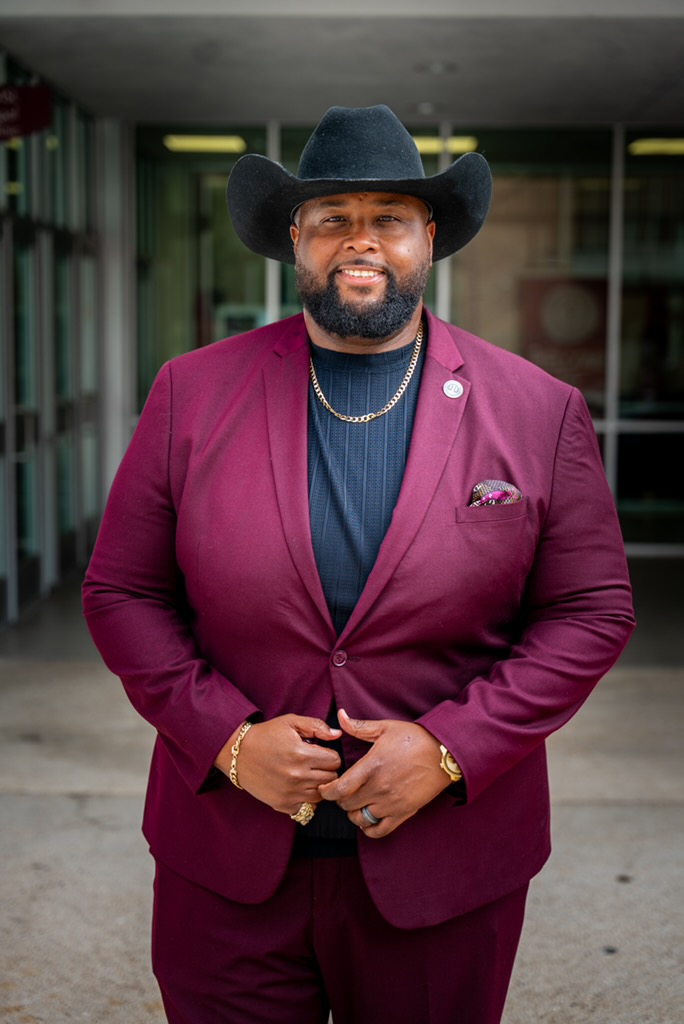
Written by BJ Kemp — Texas Legal Giants
BJ Kemp is a Houston-based attorney representing personal injury victims and families in estate planning matters. Texas Bar #24116608. Texas Legal Giants serves clients throughout Greater Houston on a contingency basis for PI matters and flat-fee for estate planning.
This article is for general informational purposes only and does not constitute legal advice. Reading this content does not create an attorney-client relationship. Laws change — consult a licensed Texas attorney for advice specific to your situation.