
Motorcycle riders face a reality that car drivers don’t: when something goes wrong, there’s nothing between you and the road. No crumple zone. No airbags. No steel frame. Just your body absorbing the full force of impact.
In Texas — where motorcycles are a year‑round mode of transportation — riders are among the most vulnerable people on the road. When a rider is seriously injured, the consequences — spinal injuries, traumatic brain injuries, road rash requiring skin grafts, amputations — are often catastrophic and permanent.
Making it worse: insurance companies carry a built‑in bias against riders. They assume recklessness regardless of the facts. Texas Legal Giants fights that bias with evidence, strategy, and aggressive advocacy on your behalf.
Why do motorcycle accident cases need a specialist in Houston?
Houston jurors and insurance adjusters often carry a bias that motorcyclists are reckless — even when the car driver was at fault. An experienced motorcycle accident attorney knows how to counter this bias with accident reconstruction, witness testimony, and traffic camera footage that proves the car driver caused the crash. Motorcycle accident cases also involve unique injury patterns (road rash, crush injuries, TBI without visible external trauma) that require specialized medical expert testimony to properly value.
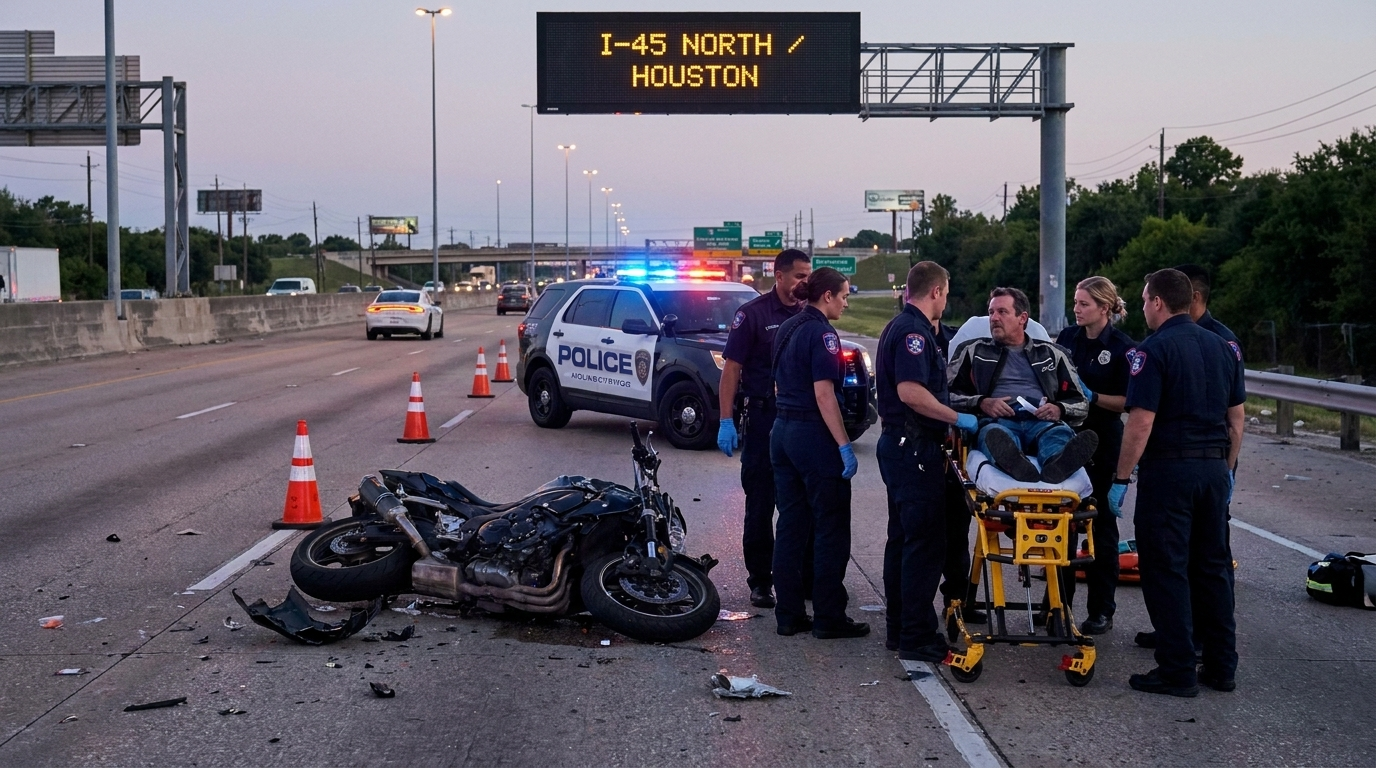
Why Motorcycle Cases Require a Specialist
Motorcycle accident claims are fundamentally different from standard car accident cases — and insurance companies know it.
The Rider Bias Problem
Insurance adjusters — and sometimes juries — assume motorcyclists are risk‑takers who assumed the danger. An experienced attorney builds your case from the ground up to neutralize that bias: documenting the other driver’s fault clearly, presenting your riding history responsibly, and making the facts speak louder than stereotypes.
Severe and Complex Injuries
Motorcycle injuries tend to be far more serious than vehicle occupant injuries. The medical treatment is more complex, rehabilitation is longer, and the long‑term impact on earning capacity is often devastating. Properly valuing a motorcycle injury claim requires time and expert medical evidence — not a quick settlement signed in the hospital.
Helmet and Gear Arguments
If you weren’t wearing a helmet (legal in Texas for riders 21+ who meet requirements), insurers will argue your injuries are your own fault. An attorney knows how to handle this argument under Texas comparative fault rules to minimize its impact on your recovery.
Complex Insurance Coverage
Motorcycle policies, underinsured motorist coverage, and medical payments coverage work differently than standard auto policies. Ensuring all available coverage is pursued — including your own UIM coverage — requires experience with motorcycle‑specific insurance issues.
Common Causes of Houston Motorcycle Accidents
The vast majority of motorcycle accidents are caused by other drivers failing to see or yield to riders.
Left-Turn Collisions
The most common motorcycle crash pattern. A car turning left at an intersection fails to yield to an oncoming rider. Drivers often claim they “didn’t see” the motorcycle — which is not a defense when a driver has a duty to look before turning.
Lane Change Crashes
A vehicle changes lanes without checking mirrors or blind spots and strikes a motorcycle in the adjacent lane. Riders are particularly vulnerable in the blind spots of trucks, SUVs, and large vehicles. Dashcam and witness evidence establish fault.
Rear-End Collisions
A distracted or tailgating driver strikes a motorcycle from behind. The same collision that would cause a fender‑bender between two cars can be fatal or cause severe spinal injury to a rider.
Road Hazards
Potholes, gravel, oil spills, and construction zones create serious hazards for motorcycles. When a government entity or property owner knew about the hazard and failed to address it, they may be liable for the resulting accident.
Drunk and Impaired Drivers
Impaired drivers are a deadly threat to motorcycles. A slow‑reacting driver who might sideswipe another car may center‑strike a motorcycle. Texas law allows punitive damages when drunk drivers cause serious injury.
Dooring Accidents
In urban areas, a parked vehicle’s door opening into a motorcycle’s path can cause a crash that looks minor but results in serious injuries. The door opener is liable for failing to check before opening.

Common Injuries in Houston Motorcycle Accidents
Motorcycle injuries are disproportionately severe — riders have no protective shell absorbing the crash energy.
Traumatic Brain Injury (TBI)
Even helmeted riders can suffer serious TBI. Unhelmeted riders face catastrophic brain trauma, cognitive impairment, and personality changes.
Spinal Cord Injuries
Herniated discs, fractured vertebrae, and paralysis. Spinal injuries from motorcycle crashes often require lifelong medical care.
Road Rash
From mild abrasions to deep tissue damage requiring skin grafts and leaving permanent scarring. Infections are a serious secondary risk.
Broken Bones
Wrists, arms, collarbones, legs, and pelvis fractures are extremely common in motorcycle crashes. Multiple fractures often require surgery and extended rehabilitation.
Internal Organ Damage
Blunt force trauma can cause liver, spleen, and kidney injuries requiring emergency surgery. These injuries are often not immediately apparent at the scene.
Amputations & Degloving
Crush injuries in high‑speed crashes can result in limb loss. Degloving — severe skin and tissue loss from pavement contact — requires extensive reconstructive treatment.
What injuries from a motorcycle accident lead to the largest settlements in Texas?
Traumatic brain injuries (even with a helmet), spinal cord damage, road rash requiring skin grafts, crush injuries to the legs, and fatalities produce the highest-value motorcycle accident cases in Houston. These injuries often require lifetime care, multiple surgeries, and result in permanent disability — all of which translate into seven-figure damages in serious cases. Even moderate injuries like broken bones and herniated discs can result in six-figure recoveries when properly documented.
Compensation Available to Motorcycle Accident Victims
Economic Damages
- Emergency treatment & hospitalization
- Surgery & specialist care
- Physical & occupational therapy
- Home modifications & assistive devices
- Lost wages during recovery
- Reduced earning capacity
- Motorcycle repair or replacement
- Riding gear replacement
Non-Economic Damages
- Physical pain & suffering
- Mental anguish & emotional distress
- Physical impairment
- Disfigurement from road rash or amputation
- Loss of enjoyment of life
- PTSD & psychological trauma
Punitive Damages
- Available when the at-fault driver acted with gross negligence
- Applies to drunk driving cases
- Street racing or extreme recklessness
- Separate from & in addition to compensatory damages
- Under Texas Civil Practice & Remedies Code Ch. 41
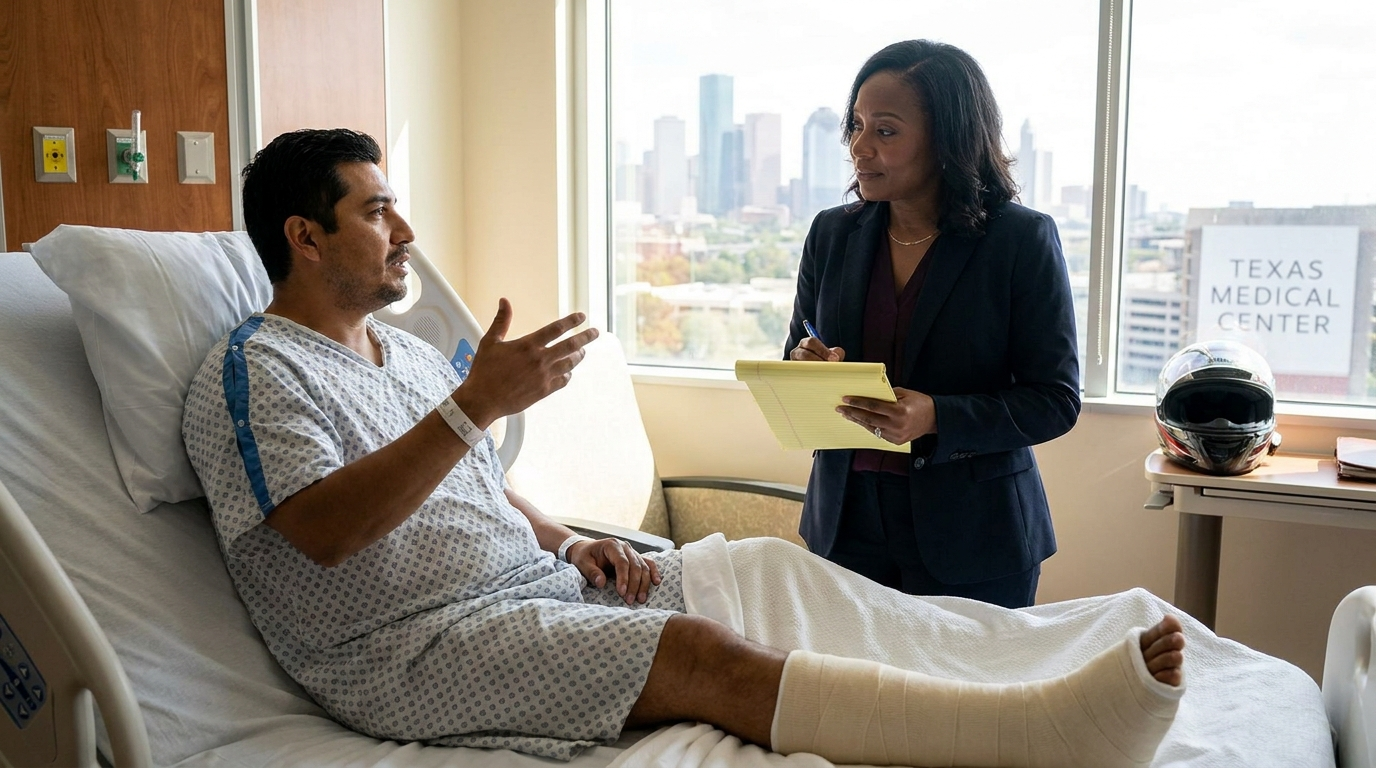
Texas Comparative Fault and Your Motorcycle Claim
How Insurers Attack Your Claim
- Claiming you were speeding without evidence
- Arguing you were weaving or riding aggressively
- Using helmet non‑use to reduce head injury recovery
- Offering quick lowball settlements before you know your full injuries
- Alleging lane splitting or other improper riding
How We Fight Back
- Accident reconstruction evidence pinpointing fault
- Dashcam footage and surveillance video
- Expert witness testimony on riding standards
- Your documented riding history and training record
- Medical expert testimony on injury causation
What to Do After a Motorcycle Accident in Houston
Stay at the Scene & Call 911
A police report is essential to your claim. Tell officers exactly what happened — do not minimize or speculate. Make sure the report captures the other driver’s information and any witnesses present.
Get Medical Care Immediately
Even if you feel okay. Adrenaline masks serious injuries — soft tissue injuries, internal bleeding, and TBI may not be immediately obvious. A same‑day medical record is critical to linking your injuries to the crash.
Document Everything
Photograph all vehicles, road conditions, skid marks, your injuries, and your motorcycle damage. Get every witness’s name and number before they leave the scene. The more documentation, the stronger your case.
Preserve Your Gear
Do not discard or clean your helmet, jacket, or other riding gear. These items may show impact patterns that document exactly how the crash occurred and the force involved.
Don’t Post on Social Media
Insurance companies actively monitor social media and will use any post, photo, or comment to argue your injuries are less serious than claimed. Keep everything off your accounts until your case is resolved.
Call Texas Legal Giants Before Talking to Any Insurer
The other driver’s insurer is not on your side. Even your own insurer has interests that don’t fully align with yours. Speak to an attorney first — we’ll handle all communications from that point forward.
Can I still recover if I wasn’t wearing a helmet in my Houston motorcycle accident?
Texas law requires helmets for riders under 21 and those without an approved safety course. For riders who legally aren’t required to wear a helmet, the failure to wear one cannot be used to bar your claim — but it may be used to reduce your non-economic damages under Texas modified comparative fault. Regardless of helmet use, you can still recover for medical costs, lost wages, and other damages if the other driver caused the crash. An attorney can minimize the impact of this argument on your recovery.
How Insurers Fight Motorcycle Accident Claims in Houston
Car drivers’ insurers use these arguments to reduce or deny motorcycle claims.
“The Motorcyclist Was Lane-Splitting or Riding Recklessly”
Lane splitting is not legal in Texas, and insurers use any hint of unconventional riding to argue you were at fault. We use traffic camera footage, eyewitness accounts, and accident reconstruction to establish what actually happened versus what the at-fault driver claims.
“The Car Driver Didn’t See You”
The SMIDSY defense (“Sorry Mate, I Didn’t See You”) shifts blame to the motorcyclist for being hard to see. Texas law requires drivers to check for motorcycles before changing lanes or turning. Failure to look is negligence — not an excuse. We document sight lines, lighting conditions, and road geometry to counter this.
“You Were Speeding”
Insurers often claim motorcyclists were speeding even without evidence. We subpoena traffic camera data, gather witness accounts, and — when available — use ECM/airbag data from the car that struck you to establish actual speeds at the time of impact.
“Your Injuries Are Exaggerated”
Motorcycle injuries are often internal, neurological, or soft tissue — less visible than car accident injuries but just as debilitating. Insurers use independent medical examiners to minimize your injuries. We work with your treating physicians and retain our own experts to establish the full extent of your damages.
“You Weren’t Wearing a Helmet”
When helmet use is legally required, failure to wear one can reduce recovery for head injuries. When it isn’t required, Texas law limits how this can be used against you. We know the rules and fight to minimize the impact on your claim.
Injured in a Houston Motorcycle Accident?
Call Texas Legal Giants now. We fight the bias against riders, and we don’t get paid unless you win.
(346) 971–7333 — Free Case ReviewFrequently Asked Questions
Related Practice Areas
Helpful Resources
- TxDOT CRIS — Request Your Texas Crash Report (CR-3) Official, $6 fee
- TxDOT Texas Crash Data Analysis Statewide crash statistics
- NHTSA Motorcycle Safety Resources Federal motorcycle crash data
- Texas Transportation Code §661 — Motorcycle Helmet Requirements Texas Legislature
- Texas Civil Practice & Remedies Code §33 — Proportionate Responsibility Texas Legislature
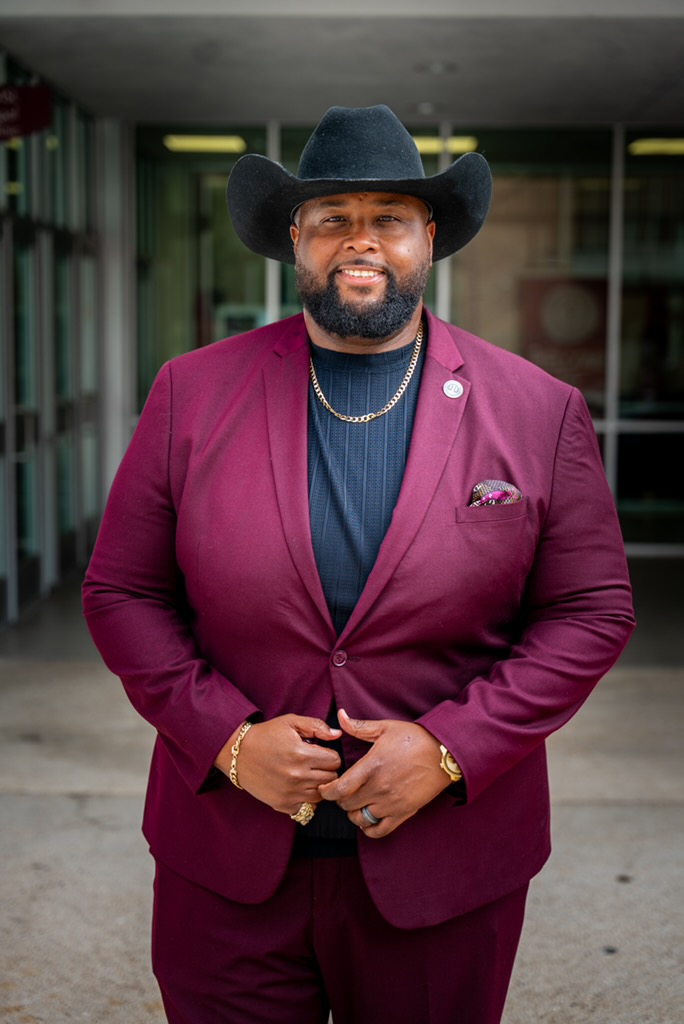
Your Houston Motorcycle Accident Attorney
BJ Kemp
Texas State Bar #24116608 · Texas Legal Giants · Houston, TX
BJ Kemp fights the bias against motorcycle riders and takes on the insurance companies that try to minimize serious injuries. At Texas Legal Giants, you pay nothing unless we win. We handle motorcycle accident cases throughout Greater Houston — and we come to you if your injuries prevent you from traveling.
(346) 971–7333 — Free Case Review