A special needs trust (SNT) allows a disabled beneficiary to receive supplemental financial support — for education, recreation, technology, transportation, and quality of life — without disqualifying them from government benefit programs like Medicaid and Supplemental Security Income (SSI), which have strict asset limits. Without a properly structured SNT, an inheritance or settlement can cut off benefits worth tens of thousands of dollars per year.
Texas Legal Giants drafts special needs trusts for Houston families — coordinated with Medicaid rules, SSI eligibility requirements, and your broader estate plan. Free consultation — call (346) 971-7333.
Why Houston Families Choose Texas Legal Giants for Special Needs Trusts
Medicaid and SSI Rules Applied Correctly
SNTs must comply with complex federal benefit rules. An improperly drafted trust can disqualify the beneficiary from Medicaid and SSI — the opposite of what you intend. We apply the rules correctly.
First-Party vs. Third-Party SNT Distinction
These are fundamentally different documents with different tax and payback implications. We explain the difference clearly and draft the correct type for your situation.
Trustee Selection Guidance
The trustee of a special needs trust has significant discretion and fiduciary responsibility. We help you evaluate individual vs. pooled trust vs. corporate trustee options based on the beneficiary’s situation and asset level.
Coordinated With Your Will or Living Trust
If you want assets from your estate to go into a special needs trust at death, your will or revocable trust must be drafted to fund the SNT correctly. We coordinate both documents.
Benefits Preservation Guidance
We explain what the trust can and cannot pay for without jeopardizing benefits — food, shelter limitations, and in-kind support rules that affect SSI eligibility.
Long-Term Family Planning
Special needs planning is multigenerational. We help families structure plans that protect the beneficiary across their lifetime and coordinate sibling and other family member contributions.
What Is the Difference Between a First-Party and Third-Party Special Needs Trust?
A first-party (self-settled) SNT is funded with the disabled person’s own assets — often proceeds from a personal injury settlement or an inherited lump sum that was not initially placed in a trust. Under federal law (42 U.S.C. §1396p(d)(4)(A)), a first-party SNT must include a Medicaid payback provision: upon the beneficiary’s death, Medicaid is reimbursed for benefits paid during the beneficiary’s lifetime before any remainder goes to heirs.
A third-party SNT is funded with assets belonging to family members — parents, grandparents, siblings — not the beneficiary’s own funds. Third-party SNTs do NOT require a Medicaid payback provision. Upon the beneficiary’s death, remainder assets go to other named beneficiaries (siblings, extended family, charity). This is the most common type of SNT created through estate planning.
What a Special Needs Trust Can Pay For
Supplemental Goods and Services Not Covered by Benefits
Clothing, household goods, furniture, electronic equipment, computers, tablets, and recreational items — things that improve quality of life beyond what Medicaid and SSI provide.
Education and Training
Tuition, books, course fees, vocational training, and educational technology. Education expenses generally do not affect SSI or Medicaid eligibility when paid from a properly structured SNT.
Transportation
Vehicle purchase and maintenance, modified vehicle equipment, ride services, and public transportation passes — transportation costs to help the beneficiary access community activities and services.
Recreation and Social Activities
Entertainment, sports equipment, travel, social activities, fitness memberships, hobbies, and cultural events that enhance quality of life and community integration.
Medical and Therapeutic Services Not Covered by Medicaid
Dental care, vision care, specialized therapies, experimental treatments, and other healthcare costs that Medicaid does not cover but that improve the beneficiary’s health and functioning.
Personal Assistance and Caregiving Supplements
Additional personal care attendants or support workers beyond what Medicaid covers — to bridge gaps in publicly funded services and provide greater independence.
Protect Your Disabled Loved One’s Benefits and Future
A properly structured special needs trust preserves government benefits while providing supplemental support across a lifetime. Texas Legal Giants drafts SNTs for Houston families that comply with Medicaid and SSI rules. Free, confidential consultation.
Frequently Asked Questions — Houston Special Needs Trust Attorney
Common questions about Texas special needs trust planning.
Yes — if the inheritance is placed into a properly structured special needs trust. An inheritance or settlement received directly by a disabled person who receives SSI or Medicaid will typically cause benefit loss once assets exceed $2,000 (the SSI asset limit). A special needs trust holds the assets without counting them toward eligibility limits.
A third-party SNT can be created by anyone — parents, grandparents, siblings, other family members — to hold assets they plan to leave to the disabled beneficiary. A first-party SNT must be established by a parent, grandparent, legal guardian, or court on behalf of the disabled person using the disabled person’s own funds.
For a third-party SNT: remainder assets go to the successor beneficiaries named in the trust — typically other family members or a charity. No Medicaid payback required. For a first-party SNT: Medicaid must be reimbursed for benefits paid during the beneficiary’s lifetime before any remainder goes to other beneficiaries.
If your child is currently a minor and does not yet receive SSI or Medicaid, you may not need an SNT immediately — but you should include SNT provisions in your will or living trust so that assets inherited at your death go into a trust rather than outright to the beneficiary when they turn 18.
The trustee has discretion within the trust terms and applicable law. However, distributions must be for the beneficiary’s supplement and benefit — not for things Medicaid or SSI already cover. Food and shelter payments reduce SSI dollar-for-dollar up to one-third of the SSI benefit. The trustee should keep detailed records of every distribution.
Sources & Legal References
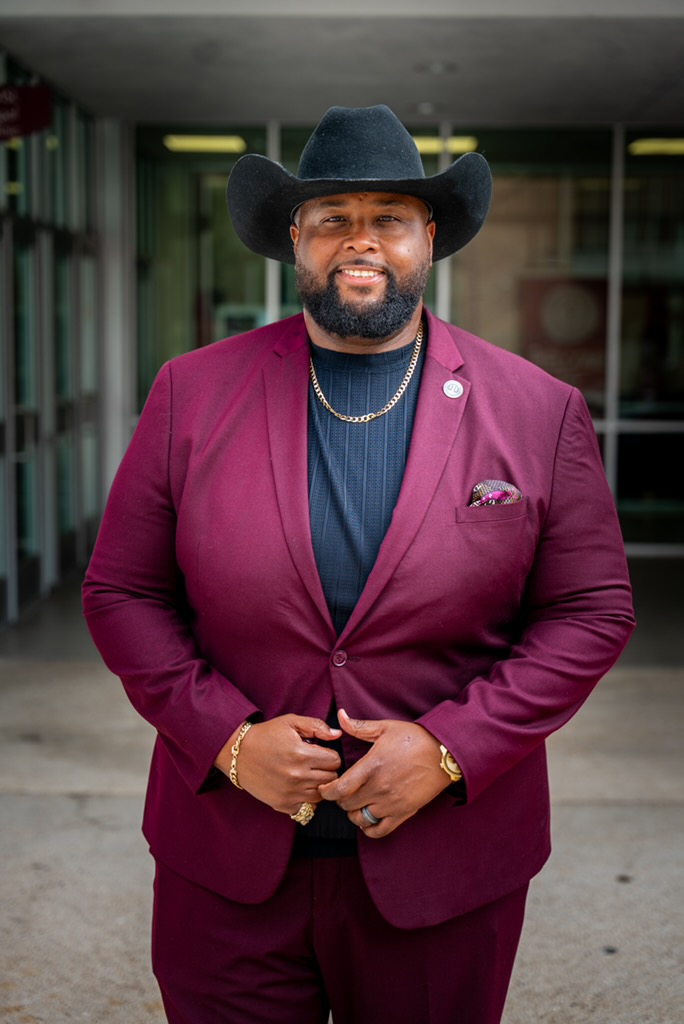
BJ Kemp — Your Houston Estate Planning Attorney
Texas State Bar #24116608 · Texas Legal Giants · Houston, TX
BJ Kemp drafts first-party and third-party special needs trusts for Houston families — compliant with Medicaid and SSI rules, coordinated with your estate plan, and structured to protect your loved one’s benefits across their lifetime. Free consultation — call (346) 971-7333. No fee unless we win your case.