
A medical directive is the document that speaks for you when you cannot speak for yourself. If you are unconscious, mentally incapacitated, or in a terminal condition, two documents govern your healthcare: the Medical Power of Attorney — which names a trusted person to make decisions for you — and the Directive to Physicians (living will) — which documents your specific treatment preferences in advance. Without both, medical providers follow a legal default hierarchy that may not reflect your wishes.
Texas Legal Giants prepares advance healthcare directives under the Texas Advance Directives Act for Houston families, coordinated with your estate plan. Your first consultation is free and confidential.
Why Houston Families Choose Texas Legal Giants for Medical Directives
Both Documents, Correctly Executed
Texas law requires specific witness and notarization rules for advance directives. We prepare both the Medical Power of Attorney and Directive to Physicians with proper execution — so they will be honored in a medical emergency.
Coordinated With Your Full Estate Plan
Medical directives are one piece of a complete plan. We coordinate them with your durable financial power of attorney, living trust, and will so authority is consistent and your healthcare agent knows their role.
Plain Language Guidance on Treatment Preferences
Many clients are uncertain what specific treatment preferences to document. We explain the options — life-sustaining treatment, artificial nutrition, DNR provisions — in plain language so you can make informed decisions.
Agent Selection Counseling
Your healthcare agent must be someone who can make difficult decisions under pressure and communicate assertively with medical providers. We help you think through who is right for this role and how to have the conversation.
HIPAA Authorization Included
We include a HIPAA Authorization Release that allows your healthcare agent (and designated family members) to receive medical information from providers — essential for effective healthcare decision-making.
Out-of-Hospital DNR Guidance
If you have a terminal diagnosis or serious cardiac condition, an Out-of-Hospital DNR (OOH-DNR) under Texas Health & Safety Code §166.081 may be appropriate. We explain when it applies and how it interacts with your other directives.
What Is the Difference Between a Medical Power of Attorney and a Living Will in Texas?
A Medical Power of Attorney (MPOA) under Texas Health & Safety Code §166.151 designates an agent to make all healthcare decisions on your behalf when you are unable to do so. Your agent can consent to or refuse treatment, access your medical records, and communicate with your providers — covering any medical situation that arises.
A Directive to Physicians (Texas living will) under §166.031 documents your specific instructions about life-sustaining treatment when you have a terminal or irreversible condition and cannot make decisions. It is a direct instruction to your treating physicians — not a delegation of authority. Most estate planning attorneys recommend having both: the Directive gives specific guidance; the MPOA gives your agent authority to handle everything else.
Medical Power of Attorney
Names a healthcare agent to make medical decisions when you cannot. Covers any medical situation — not just end-of-life. Your agent has authority to consent to or refuse treatment, choose providers, request records, and make placement decisions. Requires two qualified witnesses or a notary. Most important advance directive for most people.
Directive to Physicians (Living Will)
Documents your preferences about life-sustaining treatment — artificial respiration, artificial nutrition, CPR — when you have a terminal condition or irreversible situation and cannot make decisions. A direct instruction to your treating physicians. Works alongside the MPOA. Requires two qualified witnesses.
Out-of-Hospital DNR
Specifically instructs emergency medical responders (EMS, first responders) not to initiate CPR or other resuscitative measures outside a hospital. Applies only to emergency response situations. Different form and requirements than the Directive to Physicians. Appropriate for patients with terminal diagnoses or serious cardiac conditions.
Why Medical Directives Are Essential for Every Adult
Incapacity Can Happen at Any Age
A car accident, stroke, serious illness, or surgical complication can render anyone unable to make medical decisions — at any age. Young adults especially often assume they don’t need these documents yet. They do.
Without an MPOA, a Legal Hierarchy Decides
Texas Health & Safety Code §166.039 designates a default healthcare decision-maker hierarchy: spouse, adult children, parents, siblings. This may not be the person you would have chosen — and the person at the top of the hierarchy may not know your wishes.
Hospitals Cannot Always Wait for Family Consensus
When family members disagree about treatment decisions, and there is no MPOA naming a clear decision-maker, medical providers face significant delays and potential legal exposure. Your MPOA resolves this immediately.
Your Physician Cannot Honor Unwritten Wishes
A physician treating an incapacitated patient cannot simply follow what a spouse or child says you ‘would have wanted’ — they need legal documentation. Without a Directive to Physicians, end-of-life treatment decisions default to what medicine can do, not what you prefer.
HIPAA Blocks Information Without Authorization
Without a HIPAA Authorization, your healthcare agent may be unable to receive information from your providers about your condition, diagnosis, or treatment options — making effective decision-making impossible.
You Cannot Sign When You Need It Most
Advance directives must be signed while you have legal capacity. You cannot execute an MPOA after you become incapacitated — it must be done in advance. Waiting until a medical crisis means it may be too late.
Common Medical Directive Mistakes
Only Having One Document — Not Both
Many people have only a living will or only an MPOA — not both. The Directive to Physicians covers only terminal and irreversible conditions. The MPOA covers every other situation. You need both documents working together.
Choosing the Wrong Healthcare Agent
Your healthcare agent must be able to make difficult decisions under pressure, communicate assertively with medical providers, and honor your wishes even if they personally disagree. A loving but conflict-avoidant family member may struggle in this role.
Invalid Witnesses or Missing Notarization
Texas MPOA requires either two qualified witnesses or a notary. Witnesses cannot be your agent, heirs, creditors, or your attending physician or their employees. Using unqualified witnesses invalidates the document.
Not Giving Copies to Providers and Agents
Your advance directives are useless if your doctor, hospital, or healthcare agent cannot find them in an emergency. Provide copies to your primary care physician, any specialists, your agent, and keep a copy in your home records.
Failing to Update After Major Health Changes
If your health situation changes significantly — a terminal diagnosis, serious cardiac condition — your directives should be reviewed and potentially updated to address your specific circumstances.
Not Registering With the Texas Registry
Texas maintains an Advance Directive Registry through the Department of State Health Services. Registering ensures your directives are accessible statewide even if your documents cannot be located in an emergency.
Preparing Your Texas Medical Directives at Texas Legal Giants
Free Consultation — Understand Your Options
We explain both documents in plain language, help you think through treatment preferences, and discuss who is the right person to serve as your healthcare agent.
Agent and Treatment Preference Planning
We work through the specific decisions in your Directive — life-sustaining treatment, artificial nutrition, CPR, organ donation — so the document accurately reflects your wishes.
Document Drafting Under Texas Law
Attorney BJ Kemp prepares your Medical Power of Attorney and Directive to Physicians under Texas Health & Safety Code Chapter 166, including a HIPAA Authorization.
Proper Execution With Qualified Witnesses or Notary
We coordinate the signing with the required witnesses or notary and provide guidance on witness qualifications to ensure the documents are legally valid.
Coordination With Your Estate Plan
We review your durable financial power of attorney and any living trust to ensure your healthcare agent and financial agent roles are consistent and communicated.
Distribution — Agent, Physicians, Records
We provide copies for your healthcare agent, your primary care physician, and your personal records. We explain how to register with the Texas Advance Directive Registry.
Don’t Wait for a Medical Crisis to Plan
Advance directives must be signed while you have legal capacity — there is no second chance to prepare them after incapacity. Texas Legal Giants prepares both your Medical Power of Attorney and Directive to Physicians in a single appointment. Free, confidential consultation.
Frequently Asked Questions — Houston Medical Directives Attorney
Common questions about Texas advance healthcare directives.
A Texas Medical Power of Attorney requires either two qualified witnesses or a notary public — not both. Witnesses cannot be your agent, heirs, creditors, your attending physician, or employees of your physician or healthcare facility. If you use a notary instead of witnesses, no witness signatures are required.
A Medical Power of Attorney covers healthcare decisions only — it has no authority over financial matters. A Durable Power of Attorney covers financial matters — bank accounts, real estate, taxes — and has no authority over healthcare decisions. You need both documents for complete incapacity planning.
Generally, no. Your Directive to Physicians is a direct instruction to your treating physicians. Your MPOA agent has authority over decisions not covered by the Directive, and can advocate for you — but cannot directly override clearly stated instructions in a properly executed Directive.
Your healthcare agent has legal authority to make decisions on your behalf. Family members who disagree can seek a court order, but the legal default is to follow the agent’s decisions. This is why choosing the right agent is critical — and why communicating your wishes to your family in advance prevents conflict.
Most states recognize out-of-state advance directives, particularly if they comply with the originating state’s law. However, laws vary. If you spend significant time in another state, consider executing directives in both states. Texas Legal Giants can refer you to attorneys in other states if needed.
Your Directive to Physicians only takes effect when two conditions are met: (1) your attending physician determines you have a terminal or irreversible condition, and (2) you are unable to make your own healthcare decisions. It has no effect during any period when you retain decision-making capacity.
Sources & Legal References
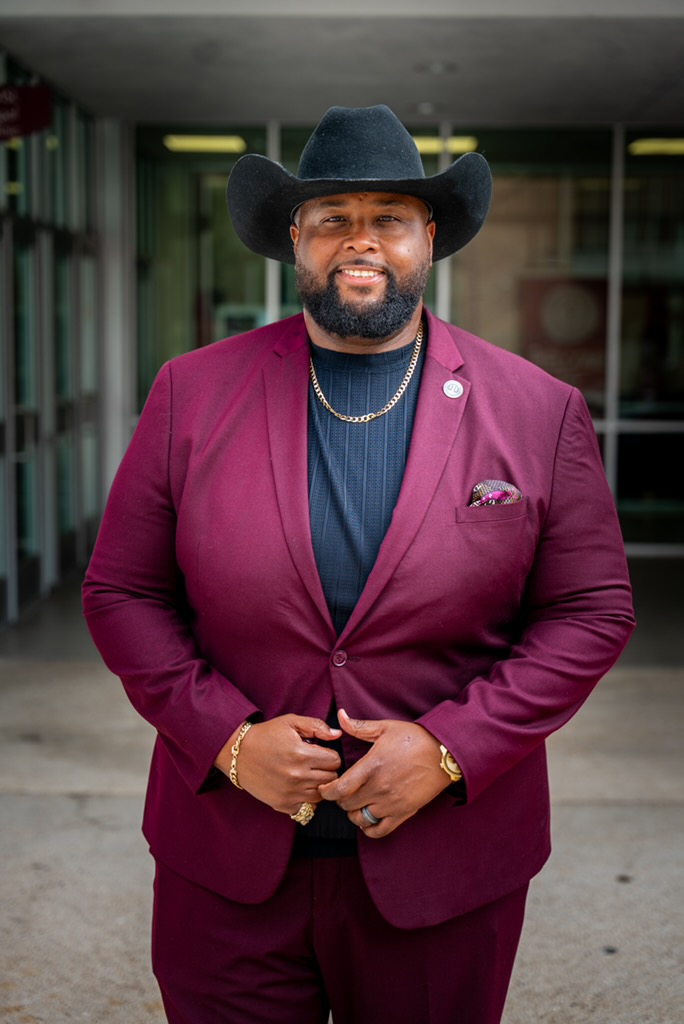
BJ Kemp — Your Houston Estate Planning Attorney
Texas State Bar #24116608 · Texas Legal Giants · Houston, TX
BJ Kemp prepares Texas Medical Powers of Attorney and Directives to Physicians for Houston clients — both documents, properly executed, coordinated with your financial power of attorney and estate plan. Free consultation — call (346) 971-7333. No fee unless we win your case.