
A Transfer on Death Deed (TODD) is one of Texas’s most efficient estate planning tools. Recorded during your lifetime, it designates one or more beneficiaries to inherit your real property at death — automatically, without probate, without a trust, and without giving up any control while you are alive. It is revocable at any time before death and requires no consideration or transfer of present ownership.
Texas Legal Giants prepares and records Transfer on Death Deeds for Houston-area property owners — quickly, correctly, and at a fraction of the cost of a probate proceeding. Free consultation — call (346) 971-7333.
Why Houston Property Owners Choose Texas Legal Giants for TODDs
Correct Texas Statutory Requirements
A TODD must comply with Texas Estates Code Chapter 114 — specific statutory language, proper acknowledgment, and recording in the county where the property is located. We get it right the first time.
Title Company Acceptance
We draft TODDs that Texas title companies accept when the beneficiary eventually sells the property. Improperly drafted TODDs create title problems that can delay or kill a future sale.
Multiple Beneficiary Planning
TODDs can name multiple beneficiaries in specified shares, alternate beneficiaries if a primary beneficiary predeceases, and successor provisions. We draft these correctly so the property passes exactly as intended.
Coordination With Your Full Estate Plan
A TODD addresses real property only. Your will, trust, and beneficiary designations must be coordinated so the overall plan is consistent. We review all documents together.
Revocation When Life Changes
Divorce, remarriage, or a change in your wishes about the beneficiary requires a recorded revocation. We handle TODD revocations and replacements efficiently.
Community Property Analysis
For married couples, a TODD on community property requires both spouses to sign unless the property is separate property. We analyze the property’s character and advise accordingly.
How Does a Texas Transfer on Death Deed Work?
You sign a TODD that identifies the property (by legal description), names one or more beneficiaries, and states that title transfers to the beneficiary at your death. The deed must be acknowledged (notarized) and recorded in the county deed records during your lifetime — recording is what makes it effective. You retain full ownership during your lifetime: you can sell, mortgage, or otherwise deal with the property as if the TODD didn’t exist. The beneficiary has no ownership rights while you are alive.
At your death, the beneficiary records an affidavit of survivorship and a death certificate — no probate required. Title transfers to them by operation of law. The TODD can be revoked at any time before death by recording a revocation document in the same county.
When a Transfer on Death Deed Makes Sense
Your Primary Asset Is Texas Real Estate
If your main asset is your home or other Texas real property, a TODD efficiently passes it to your heirs without probate — achieving the primary probate-avoidance goal at minimal cost compared to a full living trust.
You Want to Keep Full Control During Your Lifetime
Unlike a gift deed or a life estate deed, a TODD gives the beneficiary no current ownership interest. You can sell the property, refinance it, or revoke the TODD at any time without the beneficiary’s consent.
You Have a Clear, Simple Beneficiary Plan
A TODD works well when you have a clear beneficiary — a surviving spouse, an adult child, or siblings in equal shares. Complex conditional distributions are better suited to a trust.
You Own Property in Texas but Not Other States
A Texas TODD covers Texas property only. If you own real estate in multiple states, a living trust is more efficient — one trust document handles all states and avoids ancillary probate everywhere.
You Want to Complement a Will Without a Full Trust
Many clients use a TODD to handle the home and a will to handle personal property and financial accounts — avoiding the cost of a living trust when the primary goal is real estate transfer.
You Need a Quick, Affordable Probate-Avoidance Solution
A TODD is typically completed in a single appointment for a fraction of the cost of creating a living trust. For clients with straightforward real estate situations, it is often the most efficient tool available.
Transfer on Death Deed Mistakes That Create Title Problems
Not Recording During the Grantor’s Lifetime
A TODD that is signed but never recorded is not effective. The recording in the county deed records is what creates the death-triggered transfer. Recording must happen before the grantor’s death.
Incorrect Legal Description
A deed that does not accurately describe the property by the correct legal description — metes and bounds, lot and block, or survey — can be rejected by the title company and may not effectively transfer the intended property.
Failing to Name an Alternate Beneficiary
If your primary beneficiary predeceases you and no alternate is named, the TODD fails as to that share and the property goes through your estate (and potentially probate). Always name alternates.
Not Revoking After a Life Change
A TODD in favor of an ex-spouse is not automatically revoked by divorce in Texas (unlike will provisions). You must record a formal revocation and execute a new TODD. Failing to do this can result in an ex-spouse inheriting your home.
Community Property Issues
If you are married and the property is community property, both spouses must sign the TODD. A TODD signed by one spouse on community property is not effective.
Using a Generic Online Form
Texas TODD requirements are specific — statutory language, acknowledgment requirements, and county recording rules. Generic deed forms frequently contain errors that make the deed unacceptable to Texas title companies.
Transfer Your Texas Home Without Probate
A Transfer on Death Deed can pass your Texas real property directly to your heirs — no court, no probate, no delay. Texas Legal Giants prepares and records TODDs quickly and correctly. Free, confidential consultation.
Frequently Asked Questions — Houston TODD Attorney
Common questions about Texas Transfer on Death Deeds.
No. Recording a TODD does not affect your homestead exemption for property tax purposes. You retain ownership during your lifetime and continue to qualify for all applicable exemptions. The exemptions are not transferred to the beneficiary until after your death.
No. The beneficiary has no ownership interest in the property during the grantor’s lifetime. They cannot sell it, mortgage it, or place any claims on it. You retain full ownership and control until death.
Yes — a TODD beneficiary receives the property with a stepped-up basis equal to the property’s fair market value at the date of your death. This means if they sell shortly after receiving the property, they pay little or no capital gains tax. This is the same basis benefit as probate or trust transfer.
Yes, but the TODD controls. If a TODD is properly recorded, it transfers the property outside of probate regardless of what your will says about that property. Your will has no authority over property transferred by a TODD.
If the named beneficiary predeceases you and no alternate beneficiary is named, the TODD lapses as to that share and the property falls into your estate — subject to your will or intestacy. Always name an alternate beneficiary or include anti-lapse provisions.
Yes. You can name a living trust as the TODD beneficiary, which allows the property to pass into the trust at death without probate. This approach works well for clients who have a living trust but forgot to deed the property into it during their lifetime.
Sources & Legal References
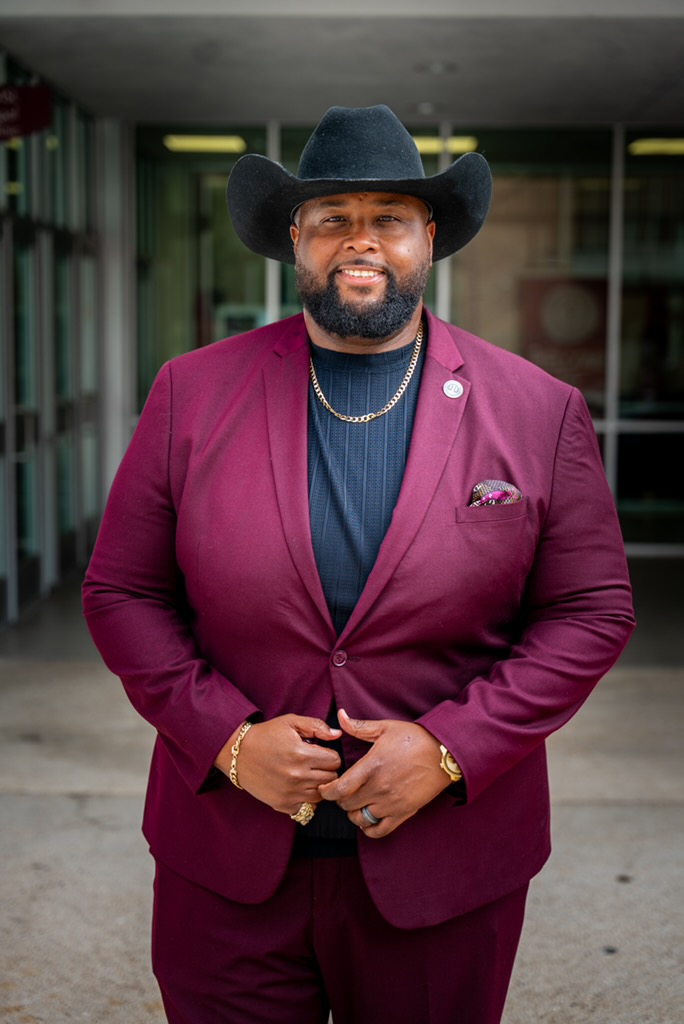
BJ Kemp — Your Houston Estate Planning Attorney
Texas State Bar #24116608 · Texas Legal Giants · Houston, TX
BJ Kemp prepares and records Transfer on Death Deeds for Houston-area property owners — correctly drafted under Texas Estates Code Chapter 114 and accepted by Texas title companies. Free consultation — call (346) 971-7333. No fee unless we win your case.