
A will is the foundation of every Texas estate plan. It tells courts, family members, and financial institutions exactly who gets your property, who raises your minor children, and who has authority to settle your affairs after you die. Without a valid will, Texas intestacy law decides all of these things for you — and the outcome rarely matches what you would have chosen.
Attorney BJ Kemp drafts simple and complex wills for Houston-area families under the Texas Estates Code. Whether you need a basic pour-over will to complement a living trust or a comprehensive will with testamentary trust provisions for minor children, Texas Legal Giants will get it right. Your first consultation is free and confidential.
Why Houston Families Choose Texas Legal Giants for Their Wills
Attorney-Drafted — Not a Template
Every will we draft is prepared by BJ Kemp based on your specific family situation, asset structure, and wishes — not a fill-in-the-blank online form that may not comply with Texas law.
Execution Done Right
An improperly signed will can be rejected by Texas courts. We supervise the full execution ceremony — two witnesses, notary, and self-proving affidavit — so your will is bulletproof at probate.
Coordinated with Your Full Plan
A will is one piece of an estate plan. We coordinate it with your beneficiary designations, powers of attorney, medical directives, and any trust structures so nothing falls through the cracks.
Life-Change Updates Included
Marriage, divorce, new children, property purchases — major life events should trigger a will review. We make it easy to update your documents as your family grows.
Holographic Will Review
If you have an existing handwritten will, we review it for validity and execution problems before they become probate court disputes. Many DIY wills fail under Texas law.
No Fee Unless You’re Satisfied
Estate planning fees are quoted upfront in writing. No surprise billing — you know exactly what your will costs before we begin.
What Is a Valid Will in Texas?
Under Texas Estates Code §254.003, a will must be: (1) in writing, (2) signed by the testator who is at least 18 years old (or lawfully married or in active military service), and (3) attested by two credible witnesses over age 14 who sign in the testator’s presence. A will meeting these requirements can be made self-proved by attaching a notarized affidavit — which waives the need for witness testimony at probate.
Texas also recognizes holographic wills — entirely handwritten and signed by the testator — which require no witnesses. However, holographic wills must be entirely in the testator’s handwriting to be valid.
Types of Wills Recognized in Texas
Texas law recognizes three types of wills. The type you have determines what happens at probate — and whether a contest is likely to succeed.
Formal Attested Will
A written will signed by the testator in the presence of two witnesses who also sign. When combined with a self-proving affidavit (notarized at signing), it can be admitted to probate without witness testimony. This is the gold standard — what Texas Legal Giants prepares for every client.
Holographic Will
A will written entirely in the testator’s handwriting and signed. No witnesses required — but every word must be handwritten (no printed portions). Easy to create, easy to challenge. Courts scrutinize handwriting and capacity claims closely. We review existing holographic wills for validity.
Testamentary Trust Will
A will that creates one or more trusts upon the testator’s death. Used to hold assets for minor children until a specified age, provide for a spouse with dementia, or structure charitable giving. Requires more drafting but avoids the cost of a separate living trust when probate avoidance is not the primary goal.
What Your Texas Will Can Control
Distribution of Property
Who inherits your real estate, bank accounts, vehicles, personal property, jewelry, and other assets. Without a will, Texas intestacy distributes property by relationship — your surviving spouse, children, parents, and siblings — in an order you may not prefer.
Guardianship of Minor Children
If both parents die, a Texas will nominates a guardian for your children. Without this, a court decides who raises your kids — and extended family disputes over guardianship are common, expensive, and traumatic for children.
Naming an Executor (Independent Administrator)
Your will designates who has authority to gather assets, notify creditors, pay debts, and distribute your estate. An independent executor in Texas operates with minimal court supervision, which speeds up the process significantly.
Testamentary Trusts for Beneficiaries
Your will can direct that assets for minor children or others be held in trust until they reach a specified age (e.g., 25 or 30) rather than distributing a large sum to an 18-year-old. This is one of the most important estate planning tools for parents.
Specific Bequests
Cash gifts, personal items, real property, or business interests left to specific people or organizations. Specific bequests are satisfied before the residuary estate is distributed — important to coordinate with overall asset values.
Burial and Funeral Instructions
Direction on burial, cremation, memorial services, or organ donation. Note: these instructions should also be communicated to family — wills are often not found until after funeral decisions have already been made.
What Happens If You Die Without a Will in Texas (Intestacy)
Your Spouse May Not Get Everything
Many people assume their spouse inherits everything. Under Texas intestacy, if you have children from a prior relationship, your separate property splits between your spouse and those children — which can force a sale of the family home.
A Judge Picks Your Children’s Guardian
Without a will naming a guardian, a probate court decides who raises your minor children. Extended family members can petition, and contested guardianship proceedings are costly and take months.
Probate Takes Longer and Costs More
Without a will designating an independent administrator, your estate requires dependent administration — court approval for most actions. This adds time and expense for your family.
Texas Intestacy Order Applies
Texas distributes property by a fixed statutory formula: spouse, children, parents, siblings — in descending priority. Unmarried partners, stepchildren (unless adopted), and close friends receive nothing under intestacy.
Minor Children Receive Assets Outright at 18
Without a testamentary trust, a minor child who inherits property receives it in full at age 18 — with no restrictions. A will can hold assets in trust until 25, 30, or any age you choose.
Your Wishes Are Legally Irrelevant
The court does not consider what you ‘would have wanted.’ It applies the statutory formula. The only way to override intestacy is a valid, properly executed will.
Common Will Mistakes That Create Probate Problems
Outdated Will After Major Life Events
A will written before a divorce, second marriage, or the birth of additional children may produce results you never intended. Texas law revokes bequests to a former spouse after divorce — but only for direct spousal gifts, not transfers to the ex-spouse’s family members. Update your will after every major life event.
Improper Execution (Missing Witnesses or Notary)
A will signed without two qualifying witnesses is not valid in Texas unless it is entirely holographic. Witnesses must sign in the testator’s presence — signing later or remotely fails the requirement. Online will services routinely produce improperly executed documents.
Conflicting Beneficiary Designations
Your will says one person inherits your IRA. Your IRA beneficiary designation says another. The beneficiary designation wins — the will cannot override it. Beneficiary designations on life insurance, retirement accounts, and POD accounts must be reviewed alongside your will.
No Residuary Clause
A will that gives specific bequests but has no residuary clause (the ‘catch-all’ that disposes of everything else) creates intestacy for unaddressed assets. Always include a residuary clause.
DIY Will With Texas-Specific Problems
Online will generators are built for a national audience and often miss Texas-specific provisions — particularly around community property, homestead rights, and the Texas Estates Code’s execution requirements. A small drafting error can invalidate an entire document.
Storing the Will Where It Can’t Be Found
A will in a safe deposit box may be inaccessible until probate is opened — which requires the will to open probate. Store your original will with your attorney, in a home safe, or file it with the county clerk under Texas Estates Code §253.001.
The Texas Will Drafting Process at Texas Legal Giants
Free Consultation — Understand Your Goals
We begin with a no-cost conversation about your family, assets, beneficiaries, and concerns. You don’t need to know the legal terms — just tell us what you want to happen.
Asset and Family Inventory
We help you identify all assets and how they’re titled — separate vs. community property, jointly held accounts, beneficiary-designated assets — so the will coordinates with your full financial picture.
Draft Prepared by Attorney BJ Kemp
We draft your will under the Texas Estates Code, including specific bequests, executor designation, guardian nominations, residuary clause, and any testamentary trust provisions needed for minor children.
Review and Revisions
You review the draft and we address any questions or changes. Most clients need one revision round before the document is ready for signing.
Proper Execution Ceremony
We coordinate the signing: two qualifying witnesses, notary public, and self-proving affidavit. Proper execution is critical — this step makes your will bulletproof at probate and waives the need for witness testimony.
Storage and Plan Coordination
We provide guidance on safe storage, give you copies for your records, and review your beneficiary designations and powers of attorney to ensure everything is coordinated.
How Texas Legal Giants Supports Your Will After Signing
- Provide certified copies for your records and your executor’s file
- Review and flag any beneficiary designation conflicts on retirement accounts and life insurance
- Coordinate the will with any living trust, power of attorney, or advance directive in your plan
- Recommend when a will update is needed based on life changes (marriage, divorce, new children, major asset changes)
- Assist your executor with probate when the time comes — no handoff to an unfamiliar firm
- Maintain a record of your executed will for estate administration purposes
Ready to Protect Your Family With a Texas Will?
A properly drafted and executed will is the most direct way to ensure your wishes are honored and your family is protected. Texas Legal Giants offers free, confidential consultations — no pressure, no obligation. We’ll tell you exactly what you need and what it costs before we begin.
What to Expect at Your Free Will Consultation
You don’t need to bring paperwork or know the legal terms. Just come prepared to tell us about your family and what you want to happen.
During your consultation, we will:
- Listen to your goals, family situation, and any specific concerns
- Explain Texas will law in plain language — no legal jargon
- Help you think through executor, guardian, and beneficiary decisions
- Identify any estate planning gaps beyond just the will (powers of attorney, beneficiary designations)
- Give you a written quote for services before any commitment is made
- Answer every question honestly — including whether a will is enough or whether a trust makes more sense for your situation
Frequently Asked Questions — Houston Wills Attorney
Common questions from Houston families about Texas wills and the estate planning process.
Under Texas Estates Code §254.003, a will must be written, signed by a testator at least 18 years old, and witnessed by two credible witnesses over age 14. Adding a notarized self-proving affidavit at signing makes it self-proved — which means witnesses don’t have to testify at probate. Holographic wills (entirely handwritten and signed, no witnesses) are also valid in Texas.
Yes. A holographic will — entirely in your handwriting and signed by you — is valid in Texas without witnesses. But every word must be in your handwriting. A form with printed portions that you fill in does not qualify as holographic. Holographic wills are easier to challenge at probate because the handwriting, date, and the testator’s capacity must all be established. An attorney-prepared will with witnesses and a self-proving affidavit is far more secure.
The executor named in your will files it with the county probate court (typically the county where you lived) and applies to have it admitted to probate and to be appointed independent administrator. With a self-proved will and an independent administration clause, the process is relatively streamlined in Texas — most simple estates close in 6–12 months.
Yes. You can change your will at any time while you have testamentary capacity. Changes can be made by executing a codicil (amendment) or by revoking the old will and signing a new one. Do not make handwritten changes or cross-outs on a signed will — courts treat those as attempts to alter the document, not valid amendments.
No. A will still requires probate — the court process for validating the will and appointing the executor. However, Texas offers independent administration (available when the will requests it or heirs agree), which requires minimal court supervision and is faster and cheaper than dependent administration. Living trusts avoid probate entirely, but require more upfront planning.
Divorce revokes any bequests and fiduciary appointments to your former spouse in a Texas will — but only as to the ex-spouse directly, not their family. Marriage does not automatically revoke a prior will, but it changes your community property rights and may produce unintended results. Update your will after every major family change.
No. Beneficiary designations on life insurance, IRAs, 401(k)s, and POD bank accounts pass outside the will entirely. The designation controls regardless of what the will says. If they conflict, the designation wins. This is one of the most common estate planning mistakes — review all beneficiary designations alongside your will.
Simple individual wills typically start at $400–$800. A married couple’s coordinated will package (two wills plus powers of attorney and medical directives) typically ranges from $1,200–$2,500 depending on complexity. Wills with testamentary trust provisions for minor children cost more. Texas Legal Giants provides written fee quotes before any engagement — no surprises.
Yes. A pour-over will is essential alongside a living trust. It captures any assets you forgot to transfer into the trust and directs them into the trust at death through probate. Without a pour-over will, assets outside the trust pass under Texas intestacy, which may produce results inconsistent with your trust’s distribution plan.
Yes, with proper drafting. Texas does not have forced heirship for adult children — you can disinherit an adult child. However, the will must clearly and specifically exclude them; silence is not enough. A surviving spouse has homestead rights and community property rights that cannot be completely disinherited without a marital agreement.
Your original will should be stored somewhere your executor can find it: with your attorney, in a fireproof home safe, or filed with the county clerk under Texas Estates Code §253.001. Avoid storing it in a safe deposit box — the box may be inaccessible until probate is opened, and probate requires the will. Tell your executor where it is.
Review your will after any major life event: marriage, divorce, birth of a child or grandchild, death of a named beneficiary or executor, significant asset acquisition or sale, or a move to a new state. Even without life changes, a review every 3–5 years is good practice. Laws change, and your priorities may shift.
Sources & Legal References
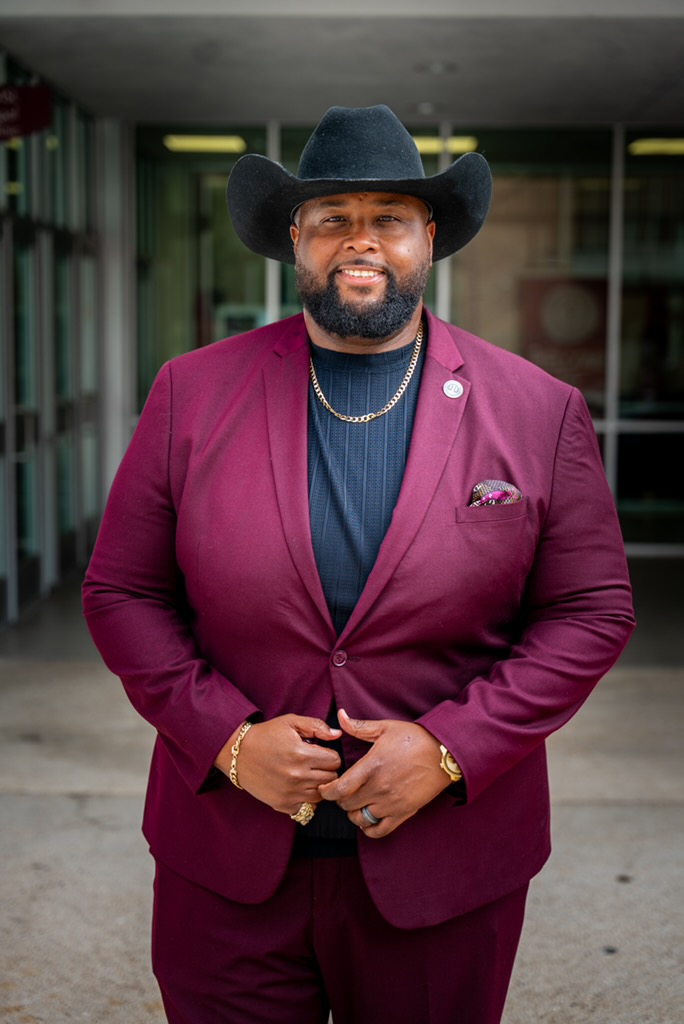
BJ Kemp — Your Houston Estate Planning Attorney
Texas State Bar #24116608 · Texas Legal Giants · Houston, TX
BJ Kemp drafts Texas wills for Houston families — from simple individual wills to complex documents with testamentary trust provisions for minor children. Attorney Kemp reviews your entire estate plan to ensure your will, beneficiary designations, and powers of attorney work together. Free consultation — call (346) 971-7333. No fee unless we win your case.